
 Reading Time: 8 mins #
 This post may contain affiliate links.
Redefine Potential: Stop the High Achiever Burnout
This week’s mini guide is for high achievers feeling weighed down by ambition fatigue and performance pressure. Too often, potential is treated as a prophecy to fulfill rather than a path to define. That view leads to burnout, self-doubt, and a constant chase for validation.
In this guide, you’ll learn how to redefine potential:
- Rethink what potential means.
- Recognize the hidden costs of treating it as fixed.
- Apply a framework that shifts the focus from outside expectations to purpose, alignment, and self-worth.
What Is Potential?
From childhood, we’re told we’re “full of potential.” At first, it feels like encouragement – like a promise of what’s to come. But over time, those words can harden into pressure. Accolades turn into expectations. Possibility turns into obligation.
This shift creates an exhausting cycle for many high achievers: always striving, never arriving.
If you’ve ever felt drained by the label of being “gifted” or pressured to keep proving yourself, this guide is for you.
It’s time to reclaim potential – not as a burden, but as a choice.
The Invisible Weight of “Wasted Potential”
The fear of wasting potential is quietly universal but rarely discussed. It hides behind phrases like:
- “I thought I’d be further by now.”
- “I used to be at the top of my class – what happened?”
- “If only I had stuck with that path…”
These thoughts don’t just cause momentary doubt; over time, they corrode our self-worth – You begin to question not just your output but your identity. Am I lazy? Did I peak too soon? Was I ever really talented?
This is the tyranny of potential. It turns a gift into a measuring stick, and success into a performance you’re expected to repeat – forever.
Performance Pressure in Disguise
When potential becomes currency, performance pressure quickly follows. You may feel:
- Unable to rest without guilt
- Disconnected from your own goals
- Pressured to constantly “impress” others
According to the World Health Organization, performance-related burnout is now one of the most prevalent mental health risks for professionals under 40. And it often stems not from laziness or failure, but from the unrelenting chase to “live up” to an early image of excellence.
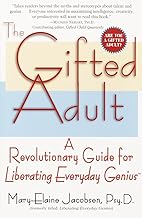
Mary-Elaine Jacobsen explores how childhood praise can unintentionally hardwire adults for chronic over-functioning. We chase wins not out of joy, but out of a need to validate our worth. (The Gifted Adult )

[“The Invisible Scoreboard” – Image by moneycatzzz.com]
What Gets Lost When You’re Always Achieving
Ambition fatigue isn’t always easy to spot. Especially for high achievers who are used to juggling multiple roles with polished smiles. But here’s what slowly disappears when you don’t stop to redefine potential:
- Joy becomes performance
- Curiosity becomes competition
- Rest becomes failure
This kind of erosion happens quietly. You meet every deadline. You exceed every benchmark, but it still doesn’t feel like enough. Because it’s not aligned with who you are now, it’s tied to who you were expected to become.
As clinical psychologist Dr. Devon Price puts it in Laziness Does Not Exist, overworking and over-performing are often trauma responses. And unless challenged, they can completely blur the line between ambition and identity.
Step One: Name the Old Blueprint
Redefining potential starts with dismantling the outdated blueprint of success. Ask yourself:
- Who defined “success” for me?
- What version of “potential” did I absorb?
- What have I outgrown that I’m still trying to live up to?
Maybe your “potential” was tied to academic excellence. Or to be the reliable one. Or to artistic brilliance. None of these are bad, but they’re not mandates. You’re allowed to evolve.
As author Elizabeth Gilbert reminds us in Big Magic, “You are not obligated to remain the person you were when you first identified your gifts.”
Redefine Potential: Four Questions to Anchor You
Here are four clarity questions to help you reconnect with your definition of potential:
What energizes me now, not ten years ago?
Potential is dynamic. So is passion. Make room for the version of you that’s emerged.
What if success were based on alignment, not applause?
Imagine redefining potential as how closely your life reflects your values — not your LinkedIn updates.
What do I want to be known for — not just what I’m good at?
Talent without joy is a trap. Don’t confuse proficiency with purpose.
How can I be proud of myself without overproducing?
Sometimes the most radical form of self-worth is knowing you’re enough: at rest, in silence, in stillness.

Gentle Tools for Redefining Your Path
Here are three practical, low-lift tools to help you break free from the performance spiral and redefine potential from within:
- The High Achiever’s Journal Prompt: Each morning, write one sentence: “I am proud of myself because…” but don’t mention work, output, or goals. This trains your brain to see worth beyond performance.
- Slow Success Scorecard: Inspired by Essentialism by Greg McKeown, list 3–5 non-urgent weekly goals that reflect your values, not metrics. Examples: “Call my niece,” “Read for joy,” “Take a walk without tracking steps.”
- Identity Anchor Practice: Choose one statement to return to when doubt creeps in. Examples: “I am still whole, even when I rest.” “I am not behind – I’m building differently.”
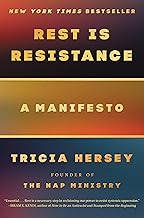
If you want a more structured path, Rest Is Resistance by Tricia Hersey and The Mountain Is You by Brianna Wiest are highly recommended guides exploring the emotional terrain of overachievement and identity fatigue.
Let Potential Be a Mirror, Not a Weapon
You were never meant to be a prodigy forever.
Your worth is not performance-based. It is presence-based. If you’re awake to your life, tending to your becoming, honoring your limitations – that’s potential fulfilled.
Defining success on your terms is a quiet revolution in a world that glorifies hustle.
So let potential be your compass, not your critic.
A Thought Worth Holding
Ask yourself:
What would still make me proud to be me if I stopped performing?
That answer is where your new potential begins.

[“The Anchor of Self-Worth” – Image by moneycatzzz.com]
What to Read Next (Internal Cross-Pollination Suggestions)
- The Cat Speaks – “The Quiet Toll of Chasing Potential” – Explores how high standards can morph into self-abandonment.
- Savannah Column – “The Fallacy of a Prodigy” – A personal reflection on being labeled gifted, and the shame of not “living up.”
- Thought Leadership Thursday – “Why HR Needs to Rethink the Potential Trap” – A firm editorial on why talent pipelines need to value sustainability over speed.

Final Reflection: Potential Isn’t a Deadline. It’s a Direction.
Redefining potential is not about quitting your dreams. It’s about returning to the part of you that dreamed in the first place. The part that wasn’t trying to impress, only to live fully and love honestly.
So take the pressure off your shoulders. Let potential live in your joy, your gentleness, your growth.
You don’t need to become someone else. You must come home to who you’ve always been – on your terms.
Books to dig deeper:
Rest Is Resistance

The Gifted Adult
Disclosure: This post may contain affiliate links. We only recommend products we believe in, and We may receive a commission at no cost to you! Thank you for your support!
Acknowledgement: Cover Image designed by moneycatzzz.com
Disclaimer: The information is provided for general information only – moneycatzzz.com makes no representations or warranties in relation to the information, including but not limited to any representation or warranty as to the fitness for any particular purpose of the information to the fullest extent permitted by law. While every effort has been made to ensure that the information provided in this article is accurate, reliable, and complete as of the time of writing, the information provided in this article should not be relied upon to make any financial, investment, real estate or legal decisions. Additionally, the information should not substitute advice from a trained professional who can take into account your personal facts and circumstances, and we accept no liability if you use the information to form decisions.