 Reading Time: 7 mins #
 This post may contain affiliate links.
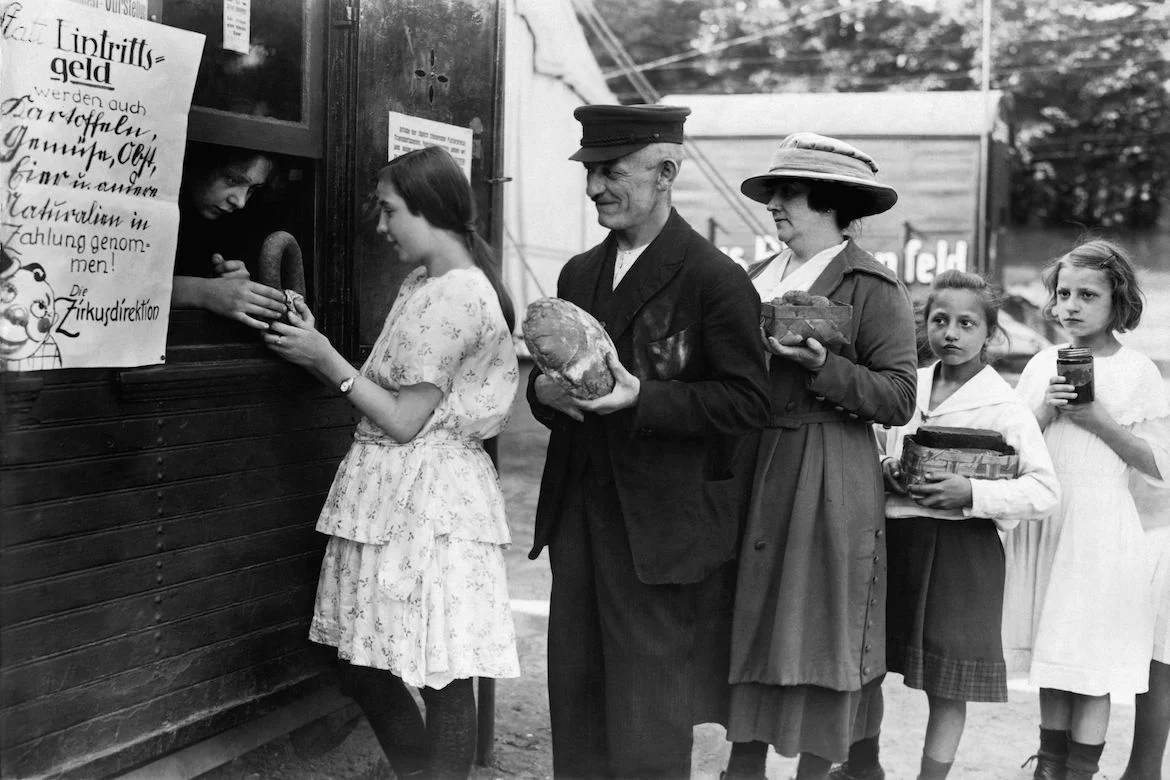
In a highly systemic world, it is surprising that an age-old custom is returning to the fold. A world where trade is conducted without cash. This is the barter economy, a system that’s been around for centuries but is experiencing a resurgence in the 21st Century. It’s a world where you can conserve cash, tap into a network of people and businesses, and build a sense of community through reciprocity.
As a digital nomad, I can attest to the empowering nature of bartering. I seldom travel with a lot of cash, and some services are provided through personal services where money is rarely accepted, such as favors. I once traded my writing services for a friend’s graphic design skills, and we both ended up with what we needed without spending a dime. It was a win-win, and it sparked a sense of inspiration – what if we could apply this principle to our entire economy?
In this article, we’ll explore the ins and outs of the barter economy, including its benefits, challenges, and strategies for success. We’ll also hear from experts and examine case studies of people and businesses thriving in this alternative economy.
“The true wealth of a nation consists not in its gold, silver, or precious stones, but in its people.” – Henry Ford.
How the Barter Economy Creates Value and Opportunity
Unlocking Financial Freedom Through Smart Trades
So, why barter? For one, it’s a great way to conserve cash. When you barter, you’re not spending money so that you can allocate your resources elsewhere. Additionally, bartering allows you to tap into a network of people and businesses that can provide you with the goods and services you need.
Building Stronger Communities With Skill Exchange
According to Dr. Edgar Cahn, founder of the TimeBanks movement, “Bartering is a way to build community and create a sense of reciprocity.” In his book, “No More Throw-Away People,” Cahn argues that bartering can help create a more equitable society by valuing everyone’s skills and contributions. This sense of community is a powerful motivator for many barterers, fostering a deep sense of connection and engagement.
Overcoming Challenges in the Barter Economy
Navigating Fair Value in Trade Agreements
Of course, bartering has its challenges. One of the biggest hurdles is finding people who have what you need and are willing to trade. This can be time-consuming and requires a certain level of networking and negotiation.
Expanding Your Network for Better Barter Opportunities
Another challenge is valuing goods and services. When trading, you need to determine what’s fair and equitable. This can be tricky, especially when dealing with intangible services like consulting or coaching.
To overcome these challenges, it’s essential to clearly understand what you’re offering and what you’re looking for. It’s also crucial to be flexible and open-minded when negotiating trades.
[“The Barter Economy” – moneycatzzz.com]
Proven Strategies for Thriving in the Barter Economy
Identifying and Showcasing Your Tradeable Skills
So, how can you succeed in the barter economy? Here are a few strategies to get you started:
- Identify your skills and strengths: What can you offer that’s unique and valuable?
- Build a network: Connect with people and businesses to meet your needs.
- Be clear about what you’re looking for: Don’t be afraid to ask for what you want.
- Be flexible: Be open to different types of trades and negotiations.
Leveraging Online and Local Barter Networks
One book that’s been instrumental in helping me understand the barter economy is “The Gift Economy” by Charles Eisenstein. In this book, Eisenstein explores the concept of gift economies and how they can create a more equitable and sustainable society.

The Barter Economy in Action – Real-Life Success Stories
Digital Platforms That Are Revolutionizing Trade
There are diverse case studies of people and businesses thriving in the barter economy. From local community initiatives to global online platforms, these examples will show you the versatility of the barter economy and how you can apply these principles in your own life.
- TimeBanks: This organization, founded by Dr. Edgar Cahn, allows people to exchange time and skills rather than money. Members earn time credits for every hour they contribute, which they can use to “buy” services from other members.
- The Bristol Pound: This local currency, launched in 2012, allows businesses and individuals to trade goods and services without using traditional money. The Bristol Pound is pegged to the British pound and can be used at participating businesses throughout the city.
- The Freecycle Network: This online platform allows people to give away items they no longer need and receive items they need in return. With over 9 million members worldwide, Freecycle is an excellent example of how bartering can create a more sustainable and equitable society.
The Future of the Barter Economy in a Changing World
As we move forward in the 21st Century, bartering will likely become an increasingly important part of our economy. With the rise of the sharing economy and the growing awareness of the need for sustainability, people are looking for alternative ways to exchange goods and services.
An effortless read that explores the future of bartering is “The Mesh” by Lisa Gansky. Gansky introduced the concept of ‘The Mesh’, a term she coined to describe a new economic model based on sharing, collaboration, and sustainability. She argues that the sharing economy, of which bartering is a key component, is the future of business and will play a crucial role in creating a more sustainable and equitable society.
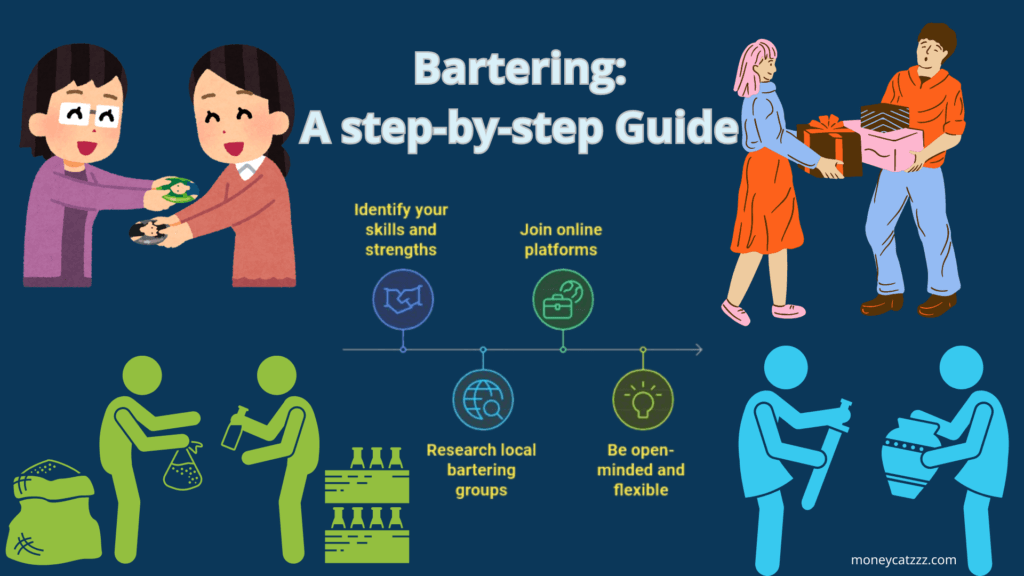
[“Guide to Bartering” – moneycatzzz.com]
Getting Started With the Barter Economy
Steps to Find the Right Trade Opportunities
So, how can you get started in the barter economy? Here are a few steps to take:
- Identify your skills and strengths: What can you offer that’s unique and valuable?
- Research local bartering groups and organizations: Look for groups in your area that are already bartering.
- Join online platforms: Websites like Freecycle and TimeBanks can connect you with people and businesses looking to trade.
- Be open-minded: Don’t be afraid to try new things, and be flexible in your negotiations.
Last but not lest is THE book that’s helped get me started is “The History of Money: From Bartering to Banking” by Martin Jenkins. This comprehensive guide covers everything from the basics of bartering to advanced strategies for success.
Best Platforms and Communities to Join Today
The barter economy is a powerful alternative to traditional cash-based economies. People can conserve cash, build community, and create a more equitable society by trading skills, goods, and services. While there are challenges to bartering, the benefits far outweigh the drawbacks.
As we move forward in the 21st Century, bartering will likely become an increasingly important part of our economy. By understanding the principles of bartering and being open to new ways of exchanging goods and services, we can create a more sustainable and equitable society for all.
So, what are you waiting for? Join the barter economy today and start thriving without cash!

Disclosure: This post may contain affiliate links. We only recommend products we believe in, and We may receive a commission at no cost to you! Thank you for your support!
Acknowledgement: Cover Image attributed to Hodan Omaar
Signup to our Newsletter for regular updates:
Disclaimer: The information is provided for general information only – moneycatzzz.com makes no representations or warranties in relation to the information, including but not limited to any representation or warranty as to the fitness for any particular purpose of the information to the fullest extent permitted by law. While every effort has been made to ensure that the information provided in this article is accurate, reliable, and complete as of the time of writing, the information provided in this article should not be relied upon to make any financial, investment, real estate or legal decisions. Additionally, the information should not substitute advice from a trained professional who can take into account your personal facts and circumstances, and we accept no liability if you use the information to form decisions.