
 Reading Time: 8 mins #
 This post may contain affiliate links.
Eco-Entrepreneurs: The Perfect Time is Now!
The world is waking up to the urgency of environmental responsibility. Consumers increasingly seek eco-friendly products and services, creating exciting opportunities for aspiring eco-entrepreneurs. But before diving headfirst into your green business venture, building a strong foundation is crucial. This comprehensive guide, your Ecopreneur’s Toolkit, equips you with the essential knowledge and resources to navigate the exciting world of sustainable business.
“The greatest threat to our planet is the belief that someone else will save it.” – Robert Swan.
With the increasing demand for sustainable solutions, now is the perfect time to turn your green vision into reality. Let’s start by exploring how to validate your eco-friendly idea.
1. From Green Idea to Green Business: Validating Your Eco-Concept
Every successful business starts with a compelling idea. Perhaps you’ve envisioned a clothing line made from recycled materials, a service offering energy-efficient home upgrades, or a line of natural cleaning products. But how do you know if your green concept has the potential to thrive? This section guides you through the process of validating your eco-friendly idea:
- Market Research: Understanding your target audience is paramount. Conduct thorough market research to identify your ideal customer. Who are they? What are their needs and values? What existing green products or services are they currently using? Analyzing market research data helps you tailor your green business to meet unmet needs and stand out from the competition.
- Competitive Analysis: No business operates in a vacuum. Research your green competitors. Identify their strengths and weaknesses, analyze their marketing strategies, and assess their pricing models. This competitive analysis allows you to pinpoint potential gaps in the market and develop a differentiated business strategy for your eco-friendly offering.
- Feasibility Assessment: Passion is essential, but a healthy dose of realism is crucial too. Evaluate the financial viability of your green business concept. Conduct a feasibility assessment that considers startup costs, ongoing operational expenses, potential pricing strategies, and realistic revenue streams. By understanding the financial feasibility of your idea, you can develop a solid business plan and make informed investment decisions.
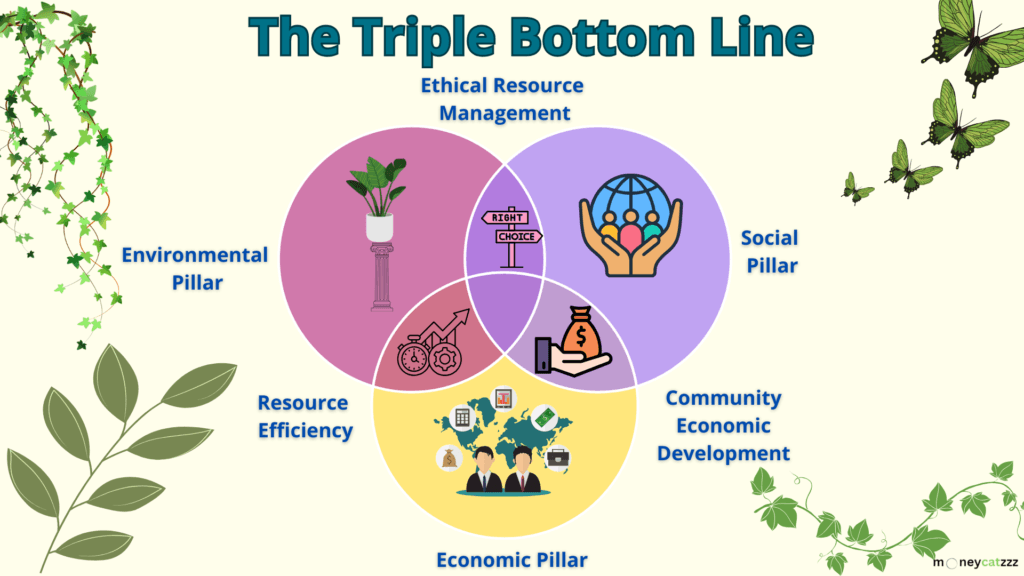
[“The Triple Bottom Line” – moneycatzzz.com]
2. Building a Sustainable Business Plan: Your Roadmap to Success
A well-crafted business plan serves as your roadmap to success. This section delves into the essential components of a sustainable business plan, tailored to the unique needs of eco-conscious entrepreneurs:
- Executive Summary: This concise overview is often the first impression potential investors or partners will have of your business. Craft a compelling executive summary that clearly articulates your green business concept, target market, and competitive advantage.
- Mission and Vision Statements: What drives your eco-venture? Define your company’s mission statement, outlining your core purpose and commitment to sustainability. Craft a clear vision statement that expresses your long-term goals for environmental and social impact.
- Market Analysis: Provide a detailed picture of your target audience, competition, and market trends within the sustainable space. This market analysis demonstrates your understanding of the green marketplace and positions your business for success.
- Marketing and Sales Strategies: Developing effective strategies to reach your eco-conscious customer base is crucial. Outline your marketing and sales plan, including how you will attract potential customers, promote your green products or services, and build brand awareness.
- Financial Projections: Your business plan needs a financial roadmap. Develop realistic financial projections that forecast your business’s income, expenses, and profitability for the next few years. This demonstrates financial viability and attracts potential investors.
- Sustainability Strategy: Sustainability should be woven into the fabric of your business. This section outlines your comprehensive sustainability strategy, detailing how you plan to minimize your environmental footprint throughout your operations, from sourcing materials to production and end-of-life product management.
Read Related Articles:
An Entrepreneurial Voyage – Green Business Startup Guide: Essential Guide for Eco-Entrepreneurs (P2)
James Clear’s Atomic Habits: Effortless Change for Lasting Results
Rooted in Resilience: How We Grow Stronger Through Life’s Storms
The Pomodoro Powerhouse: Your Recipe for Success
Mastering the Goal Horizon: Balancing Short-Term Wins and Long-Term Success

3. Financial Management for the Green Entrepreneur: Growing Green While Keeping the Books in the Black
Financial sustainability is a cornerstone of environmental sustainability. A green business that can’t manage its finances effectively will struggle to make a lasting impact. This section equips you with the knowledge to manage your green business’s finances like a pro:
- Building a Sustainable Budget: Traditional business expenses like rent, payroll, and marketing apply. However, green businesses might incur additional costs for eco-friendly materials, energy-efficient technologies, or waste reduction initiatives. Factor these green-specific costs into your budget from the start to ensure financial viability.
- Funding Your Green Dream: Funding your venture is crucial. Explore various funding options for eco-friendly businesses, including bootstrapping (using personal savings or reinvesting profits), green loans and grants offered by banks and government institutions, and impact investing, where investors are drawn to businesses with a strong social and environmental mission.
- Financial Tools for Green Businesses: Utilize financial tools specifically designed for small businesses. Popular options include accounting software like Xero, QuickBooks Online, or FreshBooks. Consider adopting tools like Triple Bottom Line (TBL) accounting, which measures your business’s social and environmental impact alongside financial performance, and Life Cycle Costing (LCC), which evaluates the total cost of ownership for a product or service
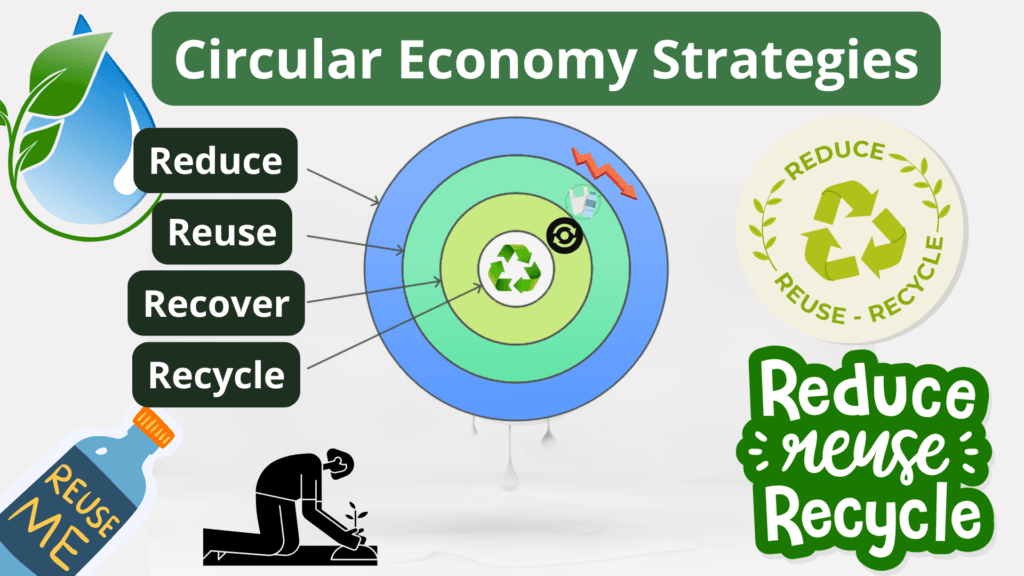
[“The Circular Economy” – moneycatzzz.com]
4. Legal Considerations: Navigating the Green Business Landscape
Operating within the legal framework is essential for any business. This section provides a high-level overview of key legal considerations for green entrepreneurs:
- Environmental Regulations: A myriad of environmental regulations govern waste management, pollution control, resource conservation, and energy efficiency. Familiarize yourself with regulations specific to your industry and location. The Environmental Protection Agency (EPA) website is a valuable resource in the US. You might require permits for waste disposal, air emissions, or water usage depending on your operations. Research permit requirements and obtain necessary licenses before commencing operations.
- Product Labeling and Claims: Marketing materials and product labels must accurately represent your green practices. Avoid misleading claims about eco-friendliness or sustainability. The Federal Trade Commission (FTC) website offers guidance on green marketing claims. Regulations govern labeling products with recycled content. Ensure your claims comply with relevant standards to avoid legal repercussions.
- Business Structure and Intellectual Property: Choosing the right business structure (sole proprietorship, LLC, corporation) has legal implications. Seek professional advice to determine the most suitable structure for your green venture. If your green product or process involves innovation, consider intellectual property protection through patents or trademarks. This safeguards your competitive edge.

Remember: This is not an exhaustive list. Consulting with an attorney specializing in environmental law can provide tailored guidance based on your specific business and location. By understanding and complying with legal requirements, you can ensure your green business operates smoothly and avoids potential legal pitfalls.
Building a successful green business takes dedication, strategic planning, and a commitment to sustainability. Part 1 of your Ecopreneur’s Toolkit has equipped you with the foundational knowledge to navigate the exciting world of eco-preneurship. You’ve learned how to validate your green concept, craft a compelling business plan, manage your finances effectively, and navigate the legal landscape.
In Part 2: Going Green: Strategies and Inspiration, we’ll delve deeper into specific green business strategies, industry-specific examples, and resources to help you turn your eco-friendly vision into a thriving reality. Stay tuned, eco-entrepreneurs! The journey towards a sustainable future starts now.
Read Related Articles:
An Entrepreneurial Voyage – Green Business Startup Guide: Essential Guide for Eco-Entrepreneurs (P2)
James Clear’s Atomic Habits: Effortless Change for Lasting Results
Rooted in Resilience: How We Grow Stronger Through Life’s Storms
The Pomodoro Powerhouse: Your Recipe for Success
Mastering the Goal Horizon: Balancing Short-Term Wins and Long-Term Success
Disclosure: This post may contain affiliate links. We only recommend products we believe in, and We may receive a commission at no cost to you! Thank you for your support!
Acknowledgement: Cover Image by THỌ VƯƠNG HỒNG from Pixabay
Signup to our Newsletter for regular updates:
Disclaimer: The information is provided for general information only – moneycatzzz.com makes no representations or warranties in relation to the information, including but not limited to any representation or warranty as to the fitness for any particular purpose of the information to the fullest extent permitted by law. While every effort has been made to ensure that the information provided in this article is accurate, reliable, and complete as of the time of writing, the information provided in this article should not be relied upon to make any financial, investment, real estate or legal decisions. Additionally, the information should not substitute advice from a trained professional who can take into account your personal facts and circumstances, and we accept no liability if you use the information to form decisions.