
 Reading Time: 8 mins #
 This post may contain affiliate links.
The 4 Pillars of Competence: Bridging the Gap Between Knowledge and Action
Imagine walking into a busy emergency room. Fresh out of medical school, a young doctor stands before a critical patient. Their resume boasts top grades and prestigious internships. But will theoretical knowledge alone be enough to handle this real-world situation?
“In today’s dynamic workplace, competence is no longer a static state but a continuous learning, development, and adaptation journey.” – Ray Tan (moneycatzzz.com)
The answer lies in competence—translating knowledge into practical action. However, competence isn’t just about academic achievements; it’s built on the four pillars of competence: skills, experience, mindset, and expertise. In a time of rapid change and evolving skill requirements, possessing knowledge alone no longer guarantees success.
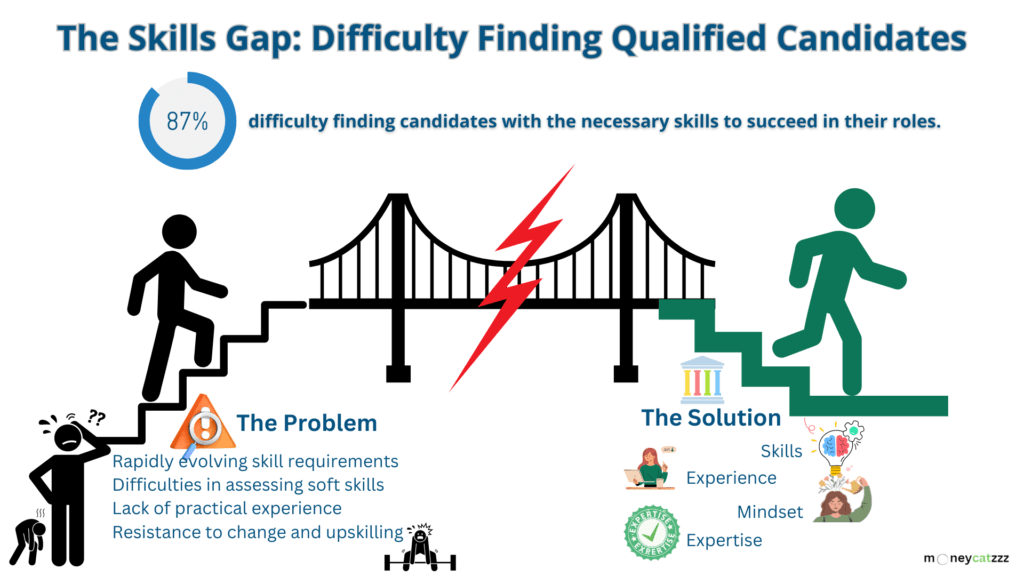
A study by Harvard Business Review found that 87% of organizations struggle to find candidates with the right skills to excel in their roles. This reveals a critical gap between theoretical learning and real-world application. Understanding and developing the four pillars of competence is essential for professionals looking to stay competitive and thrive in today’s workforce.
This article delves into how to build and strengthen these pillars, equipping individuals and organizations with the tools needed to bridge the skills gap and achieve lasting success

Bridging the Gap: Challenges and Solutions
Bridging the gap between knowledge and real-world application is critical for professional success. However, achieving true competence—built on the 4 pillars of competence: skills, experience, mindset, and expertise—requires overcoming several key challenges.
1. Overemphasis on Qualifications Over Competence
Traditional hiring practices often prioritize degrees and certifications over practical skills and the ability to apply knowledge effectively. While academic achievements provide a strong foundation, they do not guarantee real-world problem-solving or adaptability proficiency.
2. Rapidly Evolving Skill Requirements
The modern workplace is constantly shifting due to technological advancements and industry trends. Without continuous learning, professionals risk falling behind, making developing the 4 pillars of competence essential to remain competitive.
3. Difficulties in Assessing Soft Skills
Soft skills such as communication, teamwork, problem-solving, and critical thinking are vital for success. However, traditional hiring methods often fail to assess these effectively. Employers must find better ways to evaluate interpersonal abilities to ensure a well-rounded workforce.
[“Data Visualization: The Skills Gap in Action” – moneycatzzz.com]
4. Lack of Practical Experience
Many entry-level positions require experience, yet recent graduates often struggle to gain it. This creates a frustrating paradox: employers seek candidates with hands-on expertise, but without opportunities for practical application, many individuals remain unprepared for real-world challenges.
5. Resistance to Change and Upskilling
Some professionals and organizations resist continuous learning and skill development, limiting their ability to adapt to new technologies and evolving industry demands. Overcoming this resistance is key to reinforcing the 4 pillars of competence and ensuring long-term career and business success.
Bridging the Gap: Moving from Challenges to Solutions
Understanding the barriers to competence is only the first step. To thrive in today’s fast-paced world, individuals and organizations must actively cultivate the 4 pillars of competence—skills, experience, mindset, and expertise. These essential elements transform knowledge into actionable success, ensuring professionals can adapt, grow, and excel in real-world scenarios.
Next, let’s explore how to develop each pillar and unlock the full potential of competence in both personal and professional growth.
The Doctor’s Diagnostic Toolkit: Building Competence for Success
Think of a seasoned physician as a master diagnostician. Their success relies on a well-honed set of skills, not just a diploma on the wall.
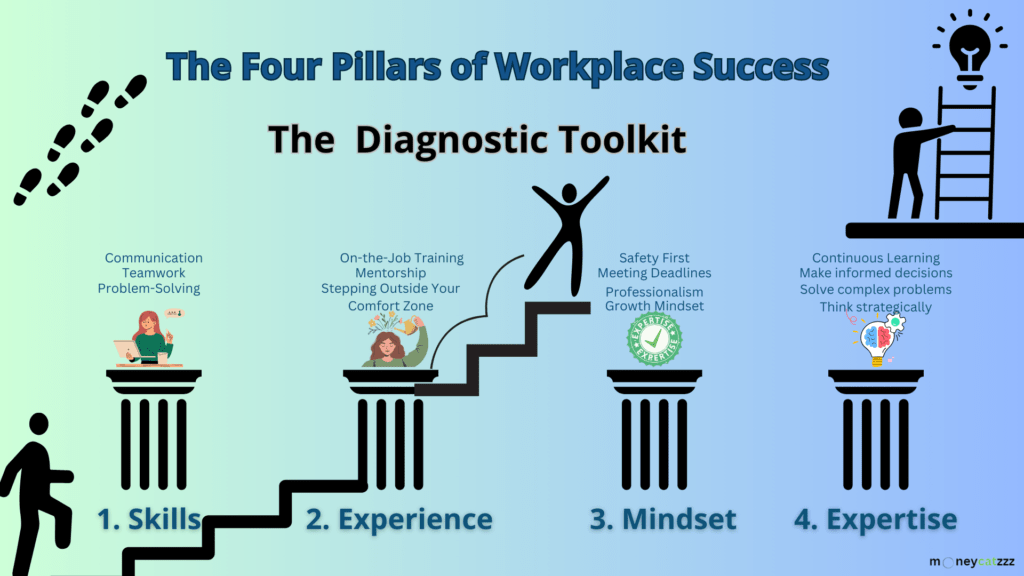
The 4 Pillars of Competence: Building a Strong Foundation
To bridge the gap between knowledge and real-world application, professionals must develop the 4 pillars of competence: skills, experience, mindset, and expertise. These core elements ensure long-term success in an evolving professional landscape.
1. Skills: Mastering Technical and Soft Abilities
Competence begins with performing tasks effectively and consistently to achieve desired outcomes. This includes:
- Technical Skills – Industry-specific knowledge required to execute tasks with precision.
- Soft Skills – Essential for collaboration and leadership, including:
- Communication – Clear verbal and written expression, active listening, and understanding of different perspectives.
- Problem-Solving – Analytical thinking, defining challenges, and developing innovative solutions.
- Teamwork – Building trust, fostering collaboration, and working towards shared goals.
2. Experience: Learning Through Practical Application
Hands-on experience is essential for refining skills and turning knowledge into real-world expertise. Key ways to build experience include:
- On-the-Job Training – Gaining direct exposure to tasks under expert supervision.
- Mentoring & Shadowing – Learning from seasoned professionals to accelerate growth.
- Challenging Assignments – Stepping outside one’s comfort zone fosters adaptability and skill mastery.
[“The 4 Pillars of Workplace Success” – moneycatzzz.com]
Strengthening Competence: The Remaining Pillars
Beyond skills and experience, true competence is reinforced by mindset and expertise—essential elements that shape a professional’s ability to adapt, lead, and excel in their field.
3. Mindset: The Key to Professional Growth
A strong mindset determines an individual’s approach to work, safety, and professional responsibilities. This includes:
- Following Safety Protocols – Prioritizing safe work practices to prevent risks.
- Adhering to Deadlines – Demonstrating reliability and time management.
- Displaying Professionalism – Maintaining ethical standards and accountability.
- Taking the initiative – Seeking growth opportunities and problem-solving proactively.
A growth mindset, as explored by Dr. Carol Dweck in her book Mindset, is crucial for long-term success. Those who embrace learning and effort develop resilience, adapt to challenges, and continuously improve their performance.
4. Expertise: Deep Knowledge of Informed Decision-Making
Competence extends beyond basic knowledge—it requires expertise and a deep understanding of facts, theories, and best practices relevant to a specific role. This foundation enables:
- Effective Decision-Making – Applying knowledge strategically in complex situations.
- Problem-Solving – Analyzing challenges and developing innovative solutions.
- Strategic Thinking – Anticipating industry trends and staying ahead of the curve.
Continuous learning is essential for maintaining expertise, especially as technology and industry demands evolve.
Competence: More Than Just Tools or Credentials
True mastery in any field isn’t just about having the right tools—it’s about developing the 4 pillars of competence: skills, experience, mindset, and expertise. These elements set professionals apart, ensuring they can adapt, innovate, and succeed in a constantly changing world.
A Globalized Workplace: Competence Beyond Borders
Competence is no longer confined to national boundaries in today’s interconnected world. Many industries operate globally, requiring professionals who can adapt, collaborate, and communicate effectively across cultures.
The Power of Intercultural Competence
To thrive in an international landscape, professionals must develop intercultural competence, which includes:
- Understanding Diverse Cultural Norms – Recognizing and respecting different traditions, values, and business practices.
- Adapting Communication Styles – Navigating language barriers and varying communication preferences to ensure clarity and mutual understanding.
- Embracing Different Work Practices – Acknowledging and integrating diverse approaches to productivity, teamwork, and decision-making.
- Building Trust & Navigating Conflict – Developing cultural sensitivity to foster strong, positive relationships and resolve misunderstandings effectively.
A competent workforce with the 4 pillars of competence—skills, experience, mindset, and expertise, is crucial for global success. Businesses prioritizing cultural intelligence gain a competitive edge, fostering innovation and expanding their reach in the international marketplace.
AI and Automation: Human Competence in the Age of Machines
With the rise of automation and artificial intelligence (AI), the future of work is evolving rapidly. While AI excels at automating repetitive tasks, human competence remains irreplaceable in roles that require critical thinking, problem-solving, creativity, and interpersonal skills.
As AI transforms industries, professionals must leverage the 4 pillars of competence—skills, experience, mindset, and expertise—to stay ahead. Critical thinking and problem-solving allow individuals to assess complex situations, make informed decisions, and navigate ethical dilemmas that AI alone cannot resolve. Creativity and innovation drive progress, enabling businesses to adapt and develop groundbreaking solutions beyond AI’s predictive capabilities. Emotional intelligence and interpersonal skills remain crucial, as human connection fosters trust, collaboration, and effective leadership in ways that machines cannot replicate.
Strategic decision-making relies on human expertise to interpret AI-generated insights, ensuring well-rounded, ethical, and forward-thinking approaches. Rather than replacing human workers, AI is a powerful tool that enhances productivity, automating routine tasks so professionals can focus on high-value work that requires adaptability and deep expertise.
The future belongs to those who cultivate competence alongside AI, ensuring they remain indispensable in an increasingly automated world.
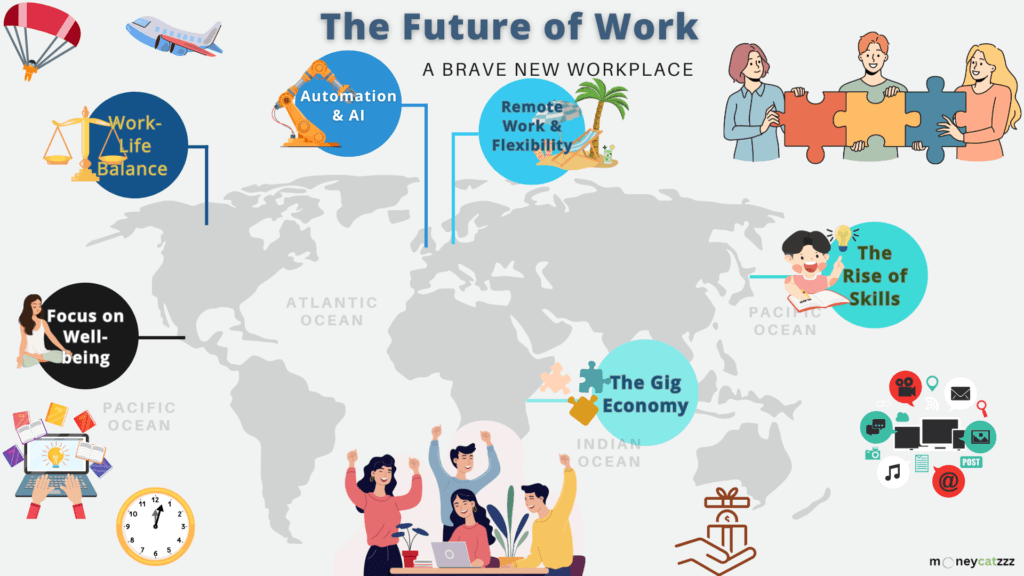
The Future of Work: A Journey of Continuous Learning
As the workplace evolves with rapid technological advancements and emerging job roles, competence is no longer a static achievement but an ongoing journey. To stay relevant and competitive, individuals must commit to continuous learning, constantly refining their skills, experience, mindset, and expertise.
Adapting to this ever-changing landscape requires a proactive approach. Online platforms such as Coursera and LinkedIn Learning offer extensive technical and soft skills courses, enabling professionals to stay ahead of industry trends. Attending workshops, seeking mentorship, and engaging in hands-on experiences provide more profound insights beyond theoretical knowledge. Networking with industry experts at conferences and professional events opens doors to new opportunities, facilitating the exchange of ideas and best practices.
The ability to learn, unlearn, and relearn will define future success. Those who embrace lifelong learning will enhance their expertise and build the resilience and adaptability necessary to thrive in an unpredictable job market.
[“The Future of Work” – moneycatzzz.com]
Building Competence: From Individual to Organization
Developing a highly competent workforce is a strategic advantage for employees and organizations. Organizations that prioritize skill development and cultivate a culture of continuous learning experience long-term success, increased innovation, and stronger employee engagement.
Employees who possess the 4 pillars of competence—skills, experience, mindset, and expertise—contribute to a more productive and efficient workplace. Competent professionals perform tasks with greater accuracy and speed, optimizing resources and minimizing waste. This leads to higher output and a more streamlined workflow.
A workforce equipped with diverse competencies excels in problem-solving and decision-making. Employees who can quickly assess challenges, adapt to changing circumstances, and implement effective solutions enhance an organization’s agility and resilience. Furthermore, fostering competence-driven innovation allows companies to stay ahead of industry shifts by encouraging creative thinking and forward-looking strategies.
Beyond operational efficiency, a culture of competence development strengthens employee satisfaction. When individuals feel supported in their professional growth, they are more engaged, motivated, and committed to their roles. This sense of fulfillment translates into higher retention rates, as employees are likelier to stay with organizations that invest in their long-term success.
By embedding the 4 pillars of competence into their development strategies, businesses create a sustainable growth model—one where individuals and organizations continuously evolve, adapt, and thrive in an ever-changing professional landscape.
Fostering a Culture of Competence
Creating a competence-driven workplace requires a structured approach integrating continuous learning, mentorship, and skill development. Organizations that actively invest in professional growth cultivate a workforce that is adaptable, innovative, and equipped to handle real-world challenges.
- On-the-Job Training & Mentoring: Practical learning opportunities bridge the gap between theory and application, ensuring employees develop technical and soft skills. A structured mentorship system, inspired by Mentally Tough by James E. Loehr , can enhance resilience and promote a growth mindset among mentors and mentees. Mentors provide guidance, share expertise, and offer constructive feedback to strengthen the four pillars of competence—skills, experience, mindset, and expertise.
- Targeted Skill Development Programs: Organizations must first identify the essential competencies required for success within their industry. Offering structured training programs and workshops tailored to these needs enhances employees’ ability to navigate professional challenges effectively. For instance, programs based on Crucial Conversations by Kerry Patterson empower employees with strategies for effective communication, conflict resolution, and critical thinking, all of which are essential components of workplace competence.
By embedding these learning strategies into their organizational culture, companies foster an environment where continuous skill enhancement, mentorship, and adaptability become core values, ensuring long-term success in an evolving professional landscape.
Building Competence Through Feedback, Knowledge Sharing, and Learning Culture
A competent workforce is built on continuous feedback, knowledge exchange, and a strong learning culture. Organizations that integrate these elements create an environment where employees feel valued, motivated, and equipped to grow professionally.
- Performance Feedback & Recognition: Regular performance reviews should go beyond simple evaluations and serve as opportunities for constructive feedback. These reviews help employees identify areas for development and set actionable goals for skill improvement. Recognizing and rewarding individuals who demonstrate a strong commitment to competence—through promotions, bonuses, or public acknowledgment—reinforces the importance of continuous learning and motivates employees to refine their skills.
- Knowledge-Sharing Platforms: Encouraging collaboration through internal knowledge-sharing sessions, online forums, or mentorship programs ensures that valuable expertise is passed down within the organization. Employees should also be incentivized to attend industry conferences and workshops, bringing back insights and best practices to share with their teams. This strengthens the four pillars of competence—skills, experience, mindset, and expertise– and promotes a culture of collective learning and innovation.
- A Culture of Learning: Leadership is crucial in fostering continuous development. Encouraging employees to pursue professional growth opportunities internally and externally creates a mindset of adaptability and career-long learning. Leaders should lead by example, actively participating in training sessions and showcasing their commitment to skill enhancement and organizational competence.
By embedding these strategies into workplace culture, organizations can ensure their workforce remains agile, skilled, and future-ready, positioning themselves for long-term success in an evolving professional landscape.

Case Studies: Competence in Action
Real-world examples showcase how the four pillars of competence—skills, experience, mindset, and expertise—translate into professional success.
Case Study 1: The Rising Star Engineer
A recent engineering graduate, Nicole secured her dream job at a construction firm. While her academic credentials were strong, she recognized that theoretical knowledge alone wasn’t enough. To bridge the gap, she actively sought opportunities to shadow senior engineers, learning practical applications and safety protocols firsthand. She also honed her communication skills by asking clarifying questions and proactively addressing potential hazards. By combining technical knowledge, skill development, and a safety-conscious mindset, Nicole quickly became a valuable team member, exceeding expectations as a new hire.
This case study highlights the importance of gaining hands-on experience, proactively learning from industry experts, and applying the four pillars of competence to succeed professionally.
Case Study 2: The Adaptable Marketing Team
The marketing team at a tech startup faced a challenge when the company decided to launch its product in a new international market. While the team possessed strong marketing skills and expertise, they lacked experience in understanding the cultural nuances of their target audience. The company organized cross-cultural training workshops to bridge this gap and partnered with a local marketing agency. The team actively engaged in these learning opportunities, demonstrating a growth mindset and a willingness to adapt their strategies. By embracing intercultural competence, they successfully tailored their messaging to resonate with the new market, leading to a successful product launch. This case study underscores the importance of continuous learning, adaptability, and the four pillars of competence—skills, experience, mindset, and expertise—in achieving global business success.
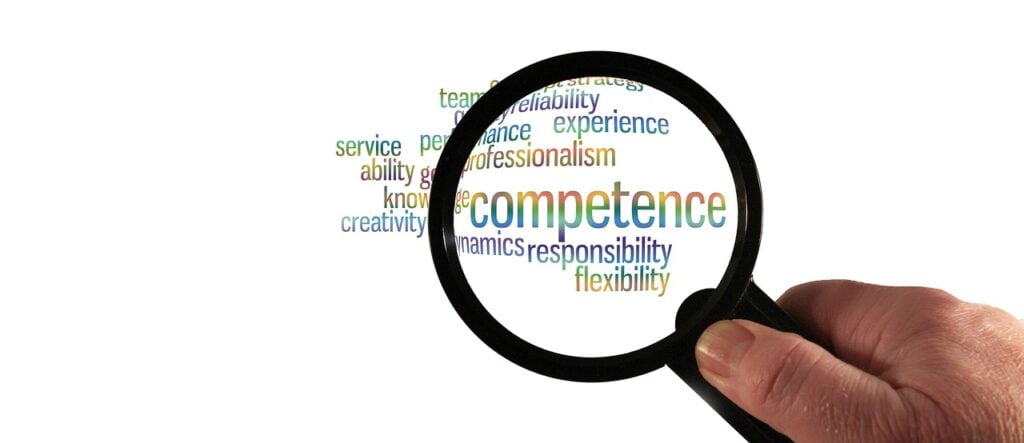
Image by Gerd Altmann from Pixabay
The Continuous Pursuit of Competence
In today’s dynamic workplace, competence is no longer a fixed state but an ongoing learning, development, and adaptation journey. Those who actively cultivate the 4 pillars of competence—skills, experience, mindset, and expertise—position themselves to excel in an ever-evolving professional landscape. Organizations prioritizing building competence by investing in employee growth and fostering a culture of continuous learning will gain a competitive edge, ensuring long-term success.
The pursuit of competence is a shared responsibility. By embracing new challenges, seeking learning opportunities, and maintaining a growth mindset, individuals and organizations can unlock their full potential, drive innovation, and achieve remarkable success in an increasingly competitive world.
Additional Resources for Building Competence
Enhancing competence requires continuous learning and access to valuable resources. Here are some top platforms that provide insights, training, and development opportunities to strengthen the 4 pillars of competence—skills, experience, mindset, and expertise:
- Society for Human Resource Management (SHRM): It offers a wealth of resources for developing a competent workforce.
- The Association for Talent Development (ATD):provides insights and best practices on training and development strategies.
- Lynda.com:offers a vast library of online technical and soft skills courses.
- Coursera: is another platform with many online courses from top universities and companies.
Disclosure: This post may contain affiliate links. We only recommend products we believe in, and We may receive a commission at no cost to you! Thanks for your support!”
Acknowledgement: Cover Image by Gerd Altmann from Pixabay
Signup to our Newsletter for regular updates:
Disclaimer: The information is provided for general information only – moneycatzzz.com makes no representations or warranties in relation to the information, including but not limited to any representation or warranty as to the fitness for any particular purpose of the information to the fullest extent permitted by law. While every effort has been made to ensure that the information provided in this article is accurate, reliable, and complete as of the time of writing, the information provided in this article should not be relied upon to make any financial, investment, real estate or legal decisions. Additionally, the information should not substitute advice from a trained professional who can take into account your personal facts and circumstances, and we accept no liability if you use the information to form decisions.