
 Reading Time: 8 mins #
 This post may contain affiliate links.
You wake up, tap Instagram, and that glossy, perfect life hits your feed. A tiny wobble of identity follows — am I doing enough, or just optimizing a persona? If that sting feels familiar — you’re not alone. In a world of constant feeds and feedback, the ephemeral self is the default, a fluid identity shaped by context, trends, and algorithms. Your social media identity can drift from the offline you unless you add anchors.
Here’s the good news: you don’t need a rigid self to stay grounded. You need a responsive core: clarity about core values, daily mindfulness, and simple loops that strengthen self-awareness. This guide explains why identity feels so slippery and how to hold steady without losing your capacity to change.
What is the ephemeral self?
The ephemeral self is a context-sensitive sense of identity that shifts quickly with roles, environments, and signals. It expands online and contracts offline, updating with each notification, group norm, or job title. When ungrounded, information overload and comparison steer it; when anchored, it becomes adaptable instead of unstable.
Roadmap: From Ephemeral Self to Grounded Presence
- Historical context: how mobility and markets loosened fixed roles and created room for a fluid identity.
- Social platforms and performance: how metrics pull your social media identity away from lived reality.
- The information overload problem: filtering noise to protect attention.
- The pressure to reinvent: FOMO vs. fidelity to core values.
- Anchors that travel: mindfulness, self-awareness, and values‑in‑action.
“The only way to make sense of change is to plunge into it, move with it, and join the dance.” — Alan Watts.
I. The Shifting Sands of Identity: Historical and Societal Context
A Brief History of Identity
Until recently, identity was assigned mainly by family, craft, and place. The medieval farmer or guild apprentice carried a durable script.
Industrialization, urbanization, and later the internet widened choice and loosened constraints. That freedom also normalized the ephemeral self: a flexible, fluid identity that can be revised by moving cities, changing jobs, or changing platforms.
The Impact of Industrialization and Urbanization
Cities weakened inherited roles and multiplied possible selves. Reinvention became possible and expected. Opportunity grew, but so did churn; without deliberate self-awareness, people cycled through roles without integrating them.
The Rise of Individualism
Individualism celebrated the self as a project. Narratives like the American Dream promised upward mobility if you kept optimizing. That promise widened the arena for the ephemeral self while amplifying comparison and performance pressures.

[” The Evolving Mosaic” – Image by moneycatzzz.com]
The Influence of Globalization
Global flows of culture, work, and tools let you try on many identities in a lifetime. Exposure expands empathy and choice, but it can also scatter focus. Core values become an anchor — portable principles that keep a fluid identity coherent across contexts.
II. The Digital Mirror: Social Media and the Performance of Self
Social platforms turned expression into metrics. Posts, likes, and comments curate a version of you that may or may not match your day‑to‑day. Managing your social media identity well can reflect intention; if you are unmanaged, the ephemeral self chases external signals.
The Curated Self
Curating can clarify priorities — what you choose to amplify says something real. But when the highlight reel diverges from lived experience, the gap strains self-awareness and increases anxiety.
The Pursuit of Validation
Most feeds are engineered for micro‑rewards. Over time, that loop can train the ephemeral self to equate worth with feedback. Re-balancing with mindfulness (pause, notice, breathe) and core values (what matters without applause) restores agency.
The Comparison Game
Comparison thrives on glossy, un-contextualized snapshots. That accelerates information overload and muddies signals from your own body and mind. Label the spiral, step away, and return to simple, embodied routines to rebuild self-awareness.
Online vs. Offline Identity
The version of you online can diverge from the one your friends know. Map your social media identity against a short list of core values. Where they conflict — choose the offline truth first.
III. The Information Avalanche: Navigating Overload and Finding Meaning
Alerts, takes, and trends compete for attention 24/7. Left unattended, information overload fragments focus and crowds out reflection. The goal isn’t zero input; it’s wise input.
Finding Meaning in the Noise
Create margins: walks, offline time, quiet mornings where experience can metabolize — the ephemeral self steadies when self-awareness increases and mindfulness makes room for noticing before reacting.
Simple filter (use this before you consume):
- Relevance: Does this align with my core values or current goals?
- Reliability: Is the source credible?
- Return: Will this change how I act this week?
Strategies for Navigating the Ephemeral Self
These portable anchors help you stay grounded while honoring a fluid identity.
Mindfulness (5 minutes, anywhere)
Box breathing: inhale 4, hold 4, exhale 4, hold 4 — for five cycles. Micro‑practices like this lower reactivity, reduce information overload, and give the ephemeral self a calmer baseline from which to choose.
Journaling (10‑minute weekly review)
Write a quick three‑line log: wins, frictions, and one next step. Add one prompt: “Where did I act from fear or from values?” Over time, patterns surface, self-awareness compounds, and a fluid identity evolves with intention.

[“Filtering the Noise, Finding Clarity” – Image by Nano Banana]
Core Values (name 3–5, use daily)
List five moments of pride and five of frustration; extract the principle behind each. Choose 3–5 core values and translate them into behaviors you can do tomorrow. Values turn from slogans into decisions.
Digital Boundaries (inputs you control)
Batch notifications, set app timers, and keep your phone out of the bedroom. Prune follows that which distorts reality. This lowers information overload, narrows the gap between your social media identity and lived identity, and supports self-awareness.
Micro‑Rituals for Transitions
Between roles, parent to manager, maker to meeting, use a 60‑second reset: stand, breathe, set a tiny intention. This mindfulness in motion preserves clarity across contexts.
A 7‑Day Grounding Plan
- Day 1: Define 3–5 core values and write them on a card.
- Day 2: Mindfulness: two 5‑minute sessions (morning/afternoon).
- Day 3: Audit inputs: unfollow 20 accounts; set two app timers to curb information overload.
- Day 4: Journaling: Take 10 minutes to capture what’s energizing and draining; spot a self-awareness theme.
- Day 5: Social media identity check: compare your last 9 posts with your core values card; adjust one habit.
- Day 6: Focus day: single‑task two 50‑minute blocks; notice how mindfulness and boundaries help.
- Day 7: Review: Which practice best stabilized your fluid identity this week? Keep it and layer one more next week.
FAQ: The Ephemeral Self and Staying Grounded
What is the ephemeral self?
It is the idea that identity is transient and context sensitive. The ephemeral self adapts to roles, environments, and signals, which is why self-awareness and core values are essential.
Is a fluid identity a problem?
A fluid identity can be healthy when guided by core values. Flexibility helps you grow. Trouble begins when the ephemeral self is steered only by comparison or information overload.
How do I stay grounded on social media?
Audit your social media identity, add mindful pauses before posting, and set time boundaries. Reconnect choices to core values. This stabilizes the ephemeral self.
What daily practices help most?
Short mindfulness sessions, a brief journal entry, and one daily decision on core values. Over time, these habits strengthen self-awareness and reduce information overload.
Final Thoughts: Grounding the Ephemeral Self
Identity isn’t a statue. It’s a stream. The ephemeral self is a reality of modern life, shaped by context, platforms, and constant inputs. The goal isn’t to harden into a fixed persona but to build a responsive core that travels well. When social media identity pressures rise and information overload blurs your focus, return to the basics: self-awareness, mindfulness, and core values.
A fluid identity becomes strong when guided by principles you can act on daily. Your values provide continuity, mindfulness gives you space to choose, and simple routines keep you honest. You don’t have to pick between growth and groundedness; you can practice both on purpose.
Choose one next step today:
- Breathe for five mindful cycles before you open a feed.
- Journal three lines: “What mattered? What drained me? What aligns with my core values?”
- Make one values-based decision you’ll be proud of offline and online.
If you remember one thing, remember this: when the ephemeral self wobbles, you’re one breath, one line in your journal, and one aligned choice away from clarity. Stay anchored, adapt, and let your actions, not the algorithm, tell you who you are.
Sourcing and Acknowledgment
To provide a more robust and authoritative foundation for these ideas, this article is grounded in the work of leading thinkers on technology and identity. Concepts like the psychological impact of constant connectivity and digital performance are extensively explored by authors such as Sherry Turkle, who has written on how technology is changing our sense of self. Similarly, research from academics like Jean Twenge provides empirical context for how generational shifts have been shaped by new technologies and information flows. Acknowledging their work lends more weight to the argument that the challenges of the ephemeral self are not just a personal feeling, but a documented societal trend.


Books to Dig Deeper

Set Boundaries, Find Peace

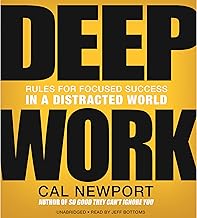

Atomic Habits
Disclosure
This guide is educational and general in nature. It is not medical, legal, or financial advice. Please consult a professional for guidance tailored to your situation.
Disclosure: This post may contain affiliate links. We only recommend products we believe in, and We may receive a commission at no cost to you! Thank you for your support!
Acknowledgement: Cover Image by moneycatzzz.com
Disclaimer: The information is provided for general information only – moneycatzzz.com makes no representations or warranties in relation to the information, including but not limited to any representation or warranty as to the fitness for any particular purpose of the information to the fullest extent permitted by law. While every effort has been made to ensure that the information provided in this article is accurate, reliable, and complete as of the time of writing, the information provided in this article should not be relied upon to make any financial, investment, real estate or legal decisions. Additionally, the information should not substitute advice from a trained professional who can take into account your personal facts and circumstances, and we accept no liability if you use the information to form decisions.