
 Reading Time: 8 mins #
 This post may contain affiliate links.
In a world drowning in recycled advice and copy-paste strategies, most of us are just rearranging deck chairs on the Titanic. We tweak, we optimize, we life-hack our way through problems, but when’s the last time you actually tore everything down and started fresh?
First Principles Thinking isn’t some Silicon Valley buzzword. It’s a fundamental reasoning method that forces you to stop borrowing other people’s solutions and start building your own. Think of it as the difference between remodeling someone else’s house and designing your dream home from an empty lot.
Aristotle called these “the first basis from which a thing is known.” A kind of information overload and decision fatigue, an ancient problem-solving framework that might be precisely what you need to cut through the noise.
What Is First Principles Thinking? (And Why Should You Care)
At its core, First Principles Thinking means stripping away everything except what you know to be absolutely, undeniably true, then building up from there.
We’re walking around with heads full of assumptions we’ve never questioned. That’s why your friend’s financial advice doesn’t work for you. Why did that productivity system make you more stressed? Why copying successful people’s morning routines left you exhausted.
Elon Musk employed this mental model to revolutionize the rocket industry, essentially. Everyone told him rockets cost $65 million. Period. End of story. But instead of accepting that “truth,” he asked a different question: What are rockets actually made of?
It turns out that the raw materials: aluminum alloys, titanium, and carbon fiber cost about 2% of the typical rocket price. The rest? I just accepted the inefficiency that nobody bothered to challenge.
You don’t need to be building spaceships to use this. But you do need to be willing to look a bit foolish asking “obvious” questions.
The Problem: Why We’re Addicted to Thinking by Analogy
Everyone’s Doing It (And That’s the Problem)
You want to start a side business. What’s your first move? Let me guess, you Google “how to start a business,” buy a course from someone who made their millions selling courses, and try to replicate their exact model.
That’s thinking by analogy. It’s taking what worked for someone else and assuming it’ll work for you.
Don’t get me wrong, analogical thinking isn’t evil. It’s efficient. Our brains love it because it saves energy. As Kahneman pointed out in Thinking, Fast and Slow, we’re cognitive misers. We’d rather copy than create.
When you think by analogy, you inherit not just the solution but all the hidden constraints, outdated assumptions, and irrelevant context that came with it. It’s like buying a used car without checking under the hood.
The Mental Trap Nobody Sees Coming
The real danger? Analogical thinking feels productive. You’re moving fast, making decisions, getting things done. But you’re essentially running someone else’s race on a track that might not even lead where you want to go.
This hits especially hard in personal finance and life design. You’re following a budget template designed for someone with different values, goals, and circumstances. No wonder it feels like wearing someone else’s shoes.

How to Actually Use First Principles Thinking (Without Overthinking It)
The Framework That Changes Everything
Let me break this down into something you can actually use today, not just intellectualize over coffee:
Step 1: Name Your Real Problem
Not the surface problem. The actual problem. “I hate my job” isn’t the problem. The problem might be “I spend 70% of my waking hours doing work that violates my core values.“
Step 2: List Every Assumption
Write down everything you “know” about this situation. Be ruthless. Include the stuff that seems obviously true. Especially that stuff.
Step 3: Challenge Like a Three-Year-Old
Remember when kids ask “why” about everything? Channel that. For each assumption, ask:
- Says who?
- Based on what?
- True for everyone or just some people?
- True always or just sometimes?
Step 4: Find Your Bedrock Truths
After all that questioning, what’s left? These are your first principles —the fundamental truths on which you can actually build.
Step 5: Build Your Solution
Now construct your approach using only these verified truths. It’ll feel weird. It might look nothing like what everyone else is doing. Good.
Real-World Example: The Career Pivot Nobody Saw Coming
Aisha was a mid-level marketing manager with stellar reviews, but absolutely miserable after her company’s third reorganization in two years. Everyone said, “Just find another marketing job.”
But Aisha went deeper. She used First Principles Thinking to examine what was actually true:
Her assumptions:
- “I need to stay in marketing” (Says who?)
- “Career changes are risky” (Based on what?)
- “I can’t afford a pay cut” (Let’s check the math)
Her actual truths:
- I love storytelling and strategy
- I hate bureaucracy and politics
- I need $3,200/month for essentials
- I have 8 months of savings
See what happened? Once she separated assumptions from facts, the picture changed completely. She didn’t need another marketing job; she needed work that used her storytelling skills without the corporate theater.
She pitched a new role to her company: Brand Psychology Consultant. Part strategy, part content, zero middle management BS. They said yes. Within a year, she was running workshops and had started a newsletter with 5,000 subscribers.
You might also like:

The Attention Economy Trap: Reclaim Your Focus Without Quitting the Internet

[“How to Actually Use First Principles Thinking (Without Overthinking It)” – Image by moneycatzzz.com]
Where to Apply This Framework in Your Life
Money and Financial Independence
Forget copying someone’s FIRE strategy wholesale. Start with fundamental questions:
- What does “enough” actually mean for me?
- Which expenses truly align with my values?
- What am I optimizing for — maximum wealth or maximum freedom?
Most financial advice assumes you want what everyone wants. However, you may not need a six-figure emergency fund if you have multiple income streams. You don’t need to own property if you value mobility over stability.
Relationships That Actually Work
Instead of performing “relationship goals” for the ‘gram:
- What does support look like in my specific situation?
- Which traditional relationship structures serve me?
- How do I actually want to spend time with people I love?
One couple I know used this framework and realized they were happier living separately, yet remained committed. Unconventional? Sure. Working for them? Absolutely.
Health Without the Hype
Skip the influencer workouts and ask:
- What does my body actually need to function well?
- Which forms of movement bring me joy?
- What would sustainable health look like for my lifestyle?
You don’t need a gym membership. Walking and dancing are enough. Your mental health needs more attention than your abs.
Career and Purpose
The big questions:
- What problems do I naturally see and want to solve?
- What would I do if status weren’t a factor?
- How much is enough money, really?
Why This Is Actually Hard
First Principles Thinking can be lonely. When everyone’s zagging and you’re not even on the same map, you’ll doubt yourself. You’ll wonder if you’re being stupid or stubborn or both.
It’s also slower, at least initially. While everyone else is copying and pasting solutions, you’re still trying to figure out what the actual problem is. They’ll be on version 3.0 while you’re still sketching blueprints.
The solutions you build from first principles? They actually work. They fit your life like custom furniture, rather than IKEA assemblies. They solve the real problem, not just its symptoms.
Building Your Intellectual Courage
This kind of fundamental reasoning requires what I call intellectual courage — the willingness to look foolish in pursuit of clarity. It means asking questions that everyone thinks have obvious answers. It means admitting you don’t know what you don’t know.
But that courage compounds. Each time you challenge an assumption and find a better way, you trust yourself a little more. You need the crowd’s validation a little less.
Common Questions About First Principles Thinking
Q: How is First Principles Thinking different from critical thinking?
Critical thinking evaluates existing ideas. First Principles Thinking rebuilds from scratch. One edits; the other authors.
Q: Can you give me a simple first principles thinking example?
Sure. Everyone says "breakfast is the most important meal." First principles would ask: What is essential for? For whom? Based on which evidence? You may discover that you function better with intermittent fasting, or that you require protein every three hours. The answer comes from your fundamental truths, not conventional wisdom.
Q: How do I know when I've reached a "first principle"?
When you can't break it down any further without it becoming absurd. "I need food to live" — first principle. "I need breakfast at 8 am" — assumption.
Q: Is First Principles Thinking always better than learning from others?
Hell no. Sometimes the conventional solution is conventional because it works. The point isn't to reinvent every wheel; it's to know which wheels need reinventing for your specific vehicle.
Your Move: Start With One Question
First Principles Thinking isn’t about becoming some hyper-rational robot. It’s about having the guts to ask: “What if everyone’s wrong about this?”
Pick one area of your life that feels stuck. Just one. It could be your morning routine, your budget, or your relationship with social media. Whatever’s been bugging you.
Ask yourself: What am I assuming here that might not be true?
Sit with that question. Please don’t rush to answer it. Let it marinate. Because sometimes the most powerful thing you can do isn’t to find the correct answer, it’s to ask the right question, finally.
The path forward isn’t always forward. Sometimes it’s down to the foundation, then up in a completely different direction.
What assumption are you ready to challenge?
Books to Dig Deeper
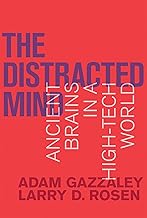

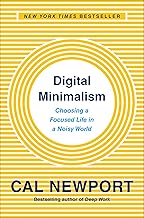
Digital Minimalism
by Cal Newport
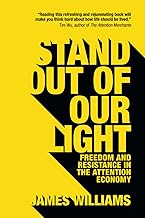
Stand Out of Our Light
Disclosure: This post may contain affiliate links. We only recommend products we believe in, and We may receive a commission at no cost to you! Thank you for your support!
Acknowledgement: Cover Image by moneycatzzz.com
Disclaimer: The information is provided for general information only – moneycatzzz.com makes no representations or warranties in relation to the information, including but not limited to any representation or warranty as to the fitness for any particular purpose of the information to the fullest extent permitted by law. While every effort has been made to ensure that the information provided in this article is accurate, reliable, and complete as of the time of writing, the information provided in this article should not be relied upon to make any financial, investment, real estate or legal decisions. Additionally, the information should not substitute advice from a trained professional who can take into account your personal facts and circumstances, and we accept no liability if you use the information to form decisions.