
 Reading Time: 8 mins #
 This post may contain affiliate links.
In a world often clouded by stress and worry, the benefits of laughter shine as a powerful remedy for both mind and body. Laughter is a universal language that transcends borders, bringing people together in moments of shared joy. But beyond its ability to lift spirits, laughter offers profound health benefits—it reduces stress, strengthens immunity, and enhances social connections.
In this article, we’ll explore the benefits of laughter, diving into its impact on physical, mental, and emotional well-being. We’ll uncover the science behind laughter’s healing effects, break down the different types of laughter and their unique benefits, and share practical ways to bring more laughter into your daily life.
“Laughter is the shortest distance between two people.” – Victor Borge
The Science of Laughter’s Symphony: A Journey from the Brain to the Body
Laughter is a complex physiological response involving multiple systems in the body. When we find something funny, signals are sent from the brain to various muscle groups, triggering laughter’s signature physical manifestations:
- The contraction of the diaphragm.
- The expulsion of air.
- The characteristic sounds we associate with laughter.
But the journey doesn’t stop there. Laughter triggers a cascade of hormonal changes. It promotes the release of endorphins, the body’s natural pain relievers and mood elevators. Studies prescribed in “The Laughter Effect,” suggest that laughter can be as effective as pain medication for mild discomfort.

[“Joy and Laughter” – Image by JOBERT DE AQUINO from Pixabay]
Laughter also reduces cortisol levels, the stress hormone, creating a sense of calm and relaxation. This aligns with the philosophy of Eckhart Tolle, author of “The Power of Now,” who emphasizes the importance of living in the present moment and letting go of worries that can contribute to stress.
The benefits extend beyond the immediate experience. Laughter can boost the immune system by increasing the production of antibodies, our body’s soldiers in the fight against infection. A study by Lee Berk et al. published in the journal “Alternative Therapies in Health and Medicine” found that laughter therapy sessions increased the production of natural killer cells, a type of white blood cell that helps fight infection.
It can also improve cardiovascular health by increasing blood flow and decreasing inflammation. Research by Amy Newmark, author of “Chicken Soup for the Soul: Laughter Is the Best Medicine: 101 Feel Good Stories,” suggests that laughter can help lower blood pressure and improve overall heart health.

Case 1: Laughter’s Healing Power
In 2016, a study published in the journal “Integrative Cancer Therapies” explored the impact of laughter yoga on breast cancer survivors. The study involved 120 women participating in weekly laughter yoga sessions for eight weeks.
The results showed significant improvements in:
- Quality of life: Women reported feeling happier and more hopeful.
- Stress levels: Laughter yoga helped reduce stress and anxiety.
- Social support: The shared experience fostered a sense of community and belonging.
One participant, Mary, a 52-year-old breast cancer survivor, shared her experience: “Laughter yoga helped me find joy again after my diagnosis. It was a safe space to laugh and connect with others who understood what I was going through. It helped me manage stress and feel more positive during a difficult time.”.
A Spectrum of Laughter: From Giggles to Guffaws – A Symphony of Sounds and Effects
Laughter isn’t a one-size-fits-all phenomenon. There’s a whole spectrum of laughter, each with its distinct sound and effect. A gentle chuckle might elicit a different physiological response than a full-blown belly laugh.
- Chuckles and giggles: These softer forms of laughter are often associated with mild amusement or social interaction. They can still boost mood and promote feelings of connection, as described in Dale Carnegie’s classic book “How to Win Friends and Influence People.” A simple chuckle shared with a colleague can lighten the mood and build rapport.
- Belly laughs: These hearty laughs involve the diaphragm and engage a broader range of muscles. They are associated with a more intense release of endorphins and other feel-good chemicals, creating a more profound sense of well-being.
- Guffaws: These loud, uninhibited laughs are often triggered by something unexpected or funny. They can be a powerful way to release tension and stress, similar to the cathartic release experienced by characters in William Shakespeare’s comedies.
The type of laughter you experience may depend on your situation, personality, and cultural background. However, regardless of its form, laughter offers potent health benefits.

[“Laughter is Infectious” – Image by freepik]
Laughter’s Social Symphony: Connecting Through Humor – A Melody of Bonding and Belonging
Laughter is more than just a physical response; it’s a social glue that binds us together. Sharing a laugh strengthens relationships, fosters trust, and creates a sense of belonging.
Humor can be a powerful tool for diffusing tension, resolving conflict, and building rapport. It can help us navigate challenging conversations and create a more positive and collaborative environment, as Daniel Goleman explored in “Emotional Intelligence.” A well-timed joke can lighten the mood, break the ice, and open the door to productive communication.
Laughter also promotes empathy and compassion. When we laugh together, we share a moment of joy and connection that transcends individual differences. This can foster a sense of understanding and acceptance, making it easier to connect with others on a deeper level.
Case 2: Laughter Breaks the Ice – A Real-Life Business Example
Negotiation success often hinges on understanding cultural nuances. In her book “The Culture Map,” Erin Meyer, a communication expert, highlights this through a fascinating anecdote (Meyer, 2014). Two teams from different cultures were locked in a tense negotiation. Their communication styles clashed – one team favored directness, while the other valued formality. This created a barrier, hindering progress and fostering frustration. The atmosphere felt stiff, and progress stalled.
However, during a break, a team member from one side stumbled upon a humorous online meme that playfully poked fun at the communication styles causing the tension. With a touch of nervousness, they decided to share it with the other team, hoping to lighten the mood. To their surprise, both sides erupted in laughter. The meme resonated with everyone, creating an unexpected moment of shared amusement. This shared experience, fueled by humor, served as a bridge. The tension dissipated, replaced by a more relaxed atmosphere. Communication flowed more freely, allowing for a deeper understanding of each other’s perspectives.
Ultimately, the negotiation shifted into a positive and productive space, paving the way for a successful outcome. This anecdote perfectly illustrates how humor, when used strategically, can transcend cultural divides and foster connection, even in high-pressure situations like business negotiations.
Cultivating Laughter in Your Daily Life: A Practical Guide to the Symphony’s Conductor
In today’s fast-paced world, laughter can sometimes feel like a luxury. But incorporating more humor into your daily life is easier than you might think. Here are some ways to get started:
- Spend time with people who make you laugh: Surround yourself with positive, humorous individuals who can lift your spirits and bring a smile to your face. Laughter is contagious, so spending time with those who find humor in everyday situations will make you laugh along.
- Seek out humor in everyday life: Train yourself to find humor in everyday situations. Look for the absurdity in minor annoyances, and appreciate the unexpected moments of humor that life throws your way. A traffic jam can be frustrating, but it can also be an opportunity for people to watch or listen to a funny podcast.
- Watch funny movies or shows: Laughter is contagious, so tune into a comedy that tickles your funny bone. Whether it’s a classic slapstick comedy or a witty sitcom, watching something humorous is guaranteed to get your laughter muscles working.
- Read comics or funny stories: Immerse yourself in the world of humor through comics, cartoons, or amusing anecdotes. A wealth of humorous material is available online and in libraries, catering to various tastes.
- Play games and engage in playful activities: Let loose and have fun! Play games with friends or family, engage in playful banter, or find activities that bring out your inner child. Laughter often arises from shared experiences and lighthearted interactions.
- Practice laughter yoga: This unique exercise combines laughter with yoga postures and breathing techniques. It’s a great way to get your body moving and unleash a good laugh simultaneously. Laughter yoga classes are becoming increasingly popular, offering a fun and social way to experience the benefits of laughter.
Remember, laughter doesn’t have to be forced. The key is to find what genuinely amuses you and allows you to relax and enjoy the moment.
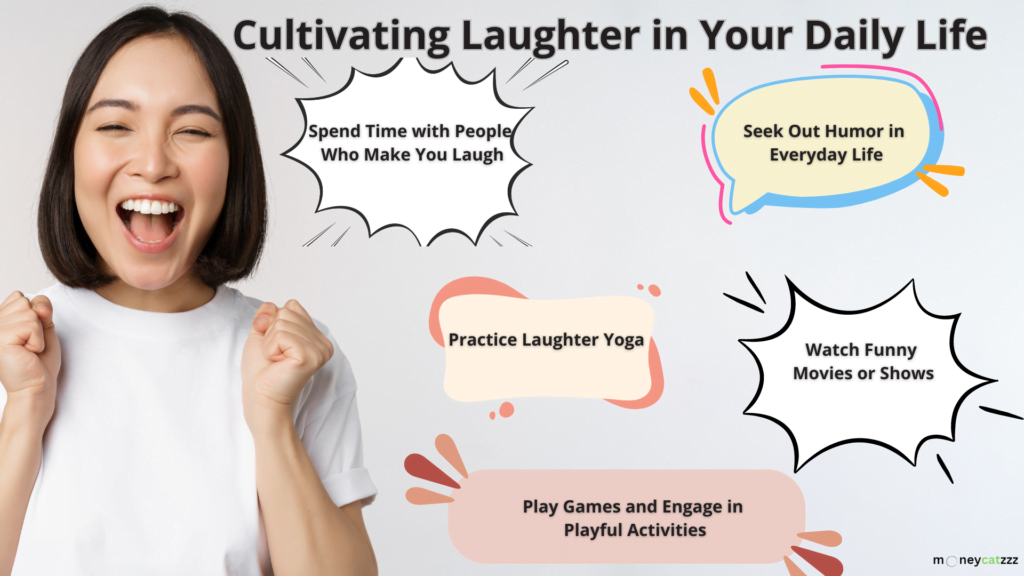
[“Cultivating Laughter in Your Daily Life: A Practical Guide” – moneycatzzz.com]
The Takeaway: Laughter – The Universal Antidote in a Stressful World
Laughter is a gift, a built-in stress reliever, a mood booster, and a social connector. It’s a symphony of physiological and social benefits that can enhance our well-being. By incorporating more laughter into your daily life, you can:
- Improve your physical health
- Boost your mood and reduce stress
- Strengthen your relationships
- Build a more positive outlook on life
So, don’t be afraid to let loose and laugh! Share a joke with a friend, watch a funny movie, or find humor in the everyday. Laughter is the only infection you want to catch, a powerful antidote to the stresses of modern life.
“At least a laugh a day keeps the grim reaper at bay.” – Groucho Marx
Beyond the Giggles: Exploring the Broader Impact of Laughter
While the immediate benefits of laughter are undeniable, its effects extend far beyond a momentary mood boost. Laughter can be a powerful tool for social change, fostering empathy, understanding, and creativity.
- Laughter as a Catalyst for Social Change: Satirical humor and comedic performances have a long history of challenging the status quo and sparking social movements. Comedians and satirists use humor to highlight societal injustices, poke fun at hypocrisy, and encourage critical thinking. Works like George Orwell’s dystopian novel “1984” use satire to critique oppressive regimes, while Charlie Chaplin’s silent films often address social and economic inequalities. By exposing societal flaws through humor, laughter can act as a catalyst for positive change.
- Laughter and Empathy: Laughter breaks down barriers and creates a sense of connection. When we laugh together, we share a moment of vulnerability and understanding. This shared experience can foster empathy and compassion for others, even those with different backgrounds or perspectives. Studies have shown that laughter can increase prosocial behavior, making us more likely to help others in need.
- Laughter and Creativity: Laughter can spark creativity and innovation. It can loosen inhibitions, encourage us to think outside the box, and approach problems from new angles. Consider the brainstorming sessions of creative teams at Pixar or the improv exercises used by actors and comedians. Laughter creates a safe space for experimentation and can lead to unexpected breakthroughs.
Case 3: The Yes Men & Satirical Environmental Activism
The Yes Men are a renowned activist group that uses satire and humor to expose environmental negligence and corporate greed. Their pranks often involve impersonating corporate executives and making outlandish pronouncements highlighting real-world ecological issues.
For example, in 2010, they created a fake press release from Dow Chemical announcing they were taking responsibility for the Bhopal disaster and cleaning up the site. This satirical act garnered significant media attention and reignited public discussion about the environmental and human cost of the disaster.

The Final Note: A Life Filled with Laughter
Laughter is a precious gift woven into the fabric of our human experience. It’s a powerful tool for enhancing physical, mental, and social well-being. So, don’t be afraid to embrace the symphony of laughter in your life. Seek out humor in everyday moments, surround yourself with positive and funny people, and don’t be afraid to let loose and laugh! Remember, laughter is the best medicine, the most contagious infection you want to catch, and the key to unlocking a life filled with joy and connection.
This article has explored the multifaceted nature of laughter, drawing inspiration from various sources, including:
- Paul McDonald ‘s “The Philosophy of Humour (Philosophy Insights)“ for insights into the physiological effects of laughter.
- Eckhart Tolle’s “The Power of Now“ emphasizes living in the present moment and reducing stress, which laughter can help achieve.
- Lee Berk et al.’s study published in “Alternative Therapies in Health and Medicine” on the impact of laughter therapy on the immune system.
- Amy Newmark, author of “Chicken Soup for the Soul: Laughter Is the Best Medicine: 101 Feel Good Stories,” explores the connection between laughter and cardiovascular health.
- Dale Carnegie’s “How to Win Friends and Influence People“ highlights the role of shared laughter in building rapport and positive relationships.
- Daniel Goleman’s “Emotional Intelligence“ discusses using humor to navigate difficult situations and foster collaboration.
By incorporating the wisdom of these sources and the power of laughter into your life, you can create a more joyful and fulfilling existence.
Disclosure: This post may contain affiliate links. We only recommend products we believe in, and We may receive a commission at no cost to you! Thanks for your support!”
Acknowledgement: Cover Image by katemangostar
Signup to our Newsletter for regular updates:
Disclaimer: The information is provided for general information only – moneycatzzz.com makes no representations or warranties in relation to the information, including but not limited to any representation or warranty as to the fitness for any particular purpose of the information to the fullest extent permitted by law. While every effort has been made to ensure that the information provided in this article is accurate, reliable, and complete as of the time of writing, the information provided in this article should not be relied upon to make any financial, investment, real estate or legal decisions. Additionally, the information should not substitute advice from a trained professional who can take into account your personal facts and circumstances, and we accept no liability if you use the information to form decisions.