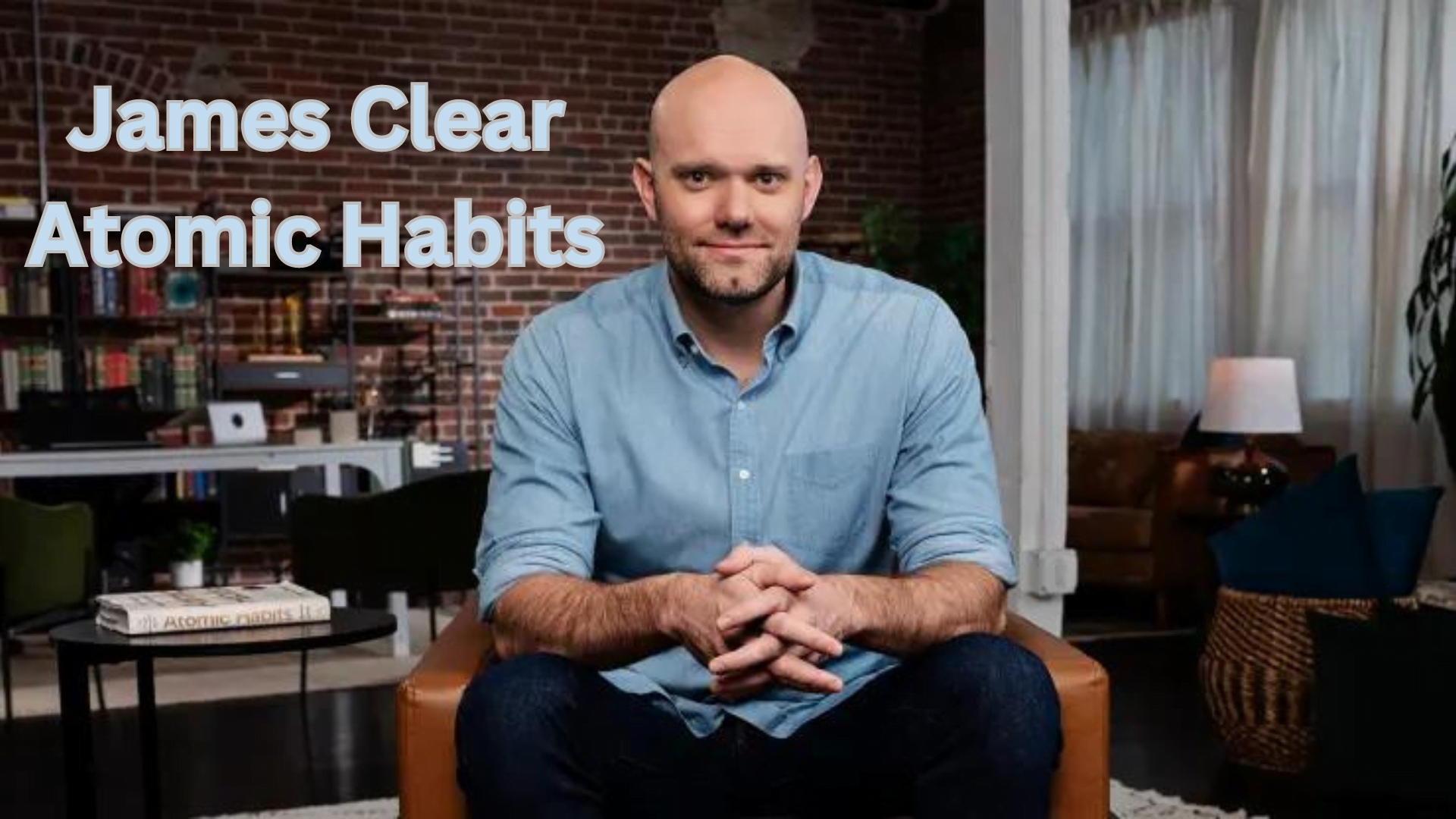
 Reading Time: 8 mins #
 This post may contain affiliate links.
Atomic Habits: Break Free from Stagnation and Build Lasting Change
Atomic Habits is a robust framework for achieving lasting change. According to inc.com’s survey, 80% of New Year’s resolutions fail by February, proving that most people struggle with all-or-nothing approaches to change. This widespread failure highlights how difficult it is to break free from stagnation and build sustainable habits.
The Power of Atomic Habits
Our brains crave efficiency and resist unfamiliar efforts, making it hard to establish new habits. James Clear’s “Atomic Habits“ offers a transformative approach, showing that small, consistent actions can lead to remarkable personal and professional growth.
Achieving goals doesn’t have to be a struggle. Success begins with tiny daily habits, gradually gathering momentum to form a solid foundation for long-term progress. This is the core message of Atomic Habits, a game-changing guide that unveils micro-habits’ power in shaping your future.
“Every action you take is a vote for the person you wish to become.” – James Clear (Atomic Habits)
Atomic Habits: Breaking Free from the Status Quo
Our brains are wired for efficiency, favoring familiarity and resisting new behaviors that disrupt the status quo. This is why forming new habits often feels like an uphill battle.
The Science Behind Atomic Habits
James Clear’s “Atomic Habits“ and Charles Duhigg’s “The Power of Habit“ explore how habits operate through a neurological loop. These insights reveal that small, consistent actions can lead to massive long-term transformations.
By understanding Atomic Habits, you can leverage micro-changes to reprogram your brain, break free from stagnation, and achieve lasting success in your personal and professional life.
Understanding the Habit Loop: Cue, Craving, Response, Reward
James Clear emphasizes the importance of understanding the neurological cycle that shapes our habits. This cycle, also explained in Charles Duhigg’s The Power of Habit, consists of four key stages:
- Cue: The trigger that initiates a habitual behavior. This could be anything from a time of day (e.g., evening) to an emotional state (e.g., boredom) to a physical location (e.g., the kitchen pantry).
- Craving: The desire or motivation to fulfill the cue. The cue triggers a craving, the emotional or psychological pull that makes you want to perform the habit.
- Response: The actual performance of the habit. This is the specific behavior you engage in, influenced by the cue and craving.
- Reward: The positive reinforcement that strengthens the habit loop. When you perform the habit and fulfill the craving, you experience a reward, which could be physical (e.g., the pleasure of sugar) or psychological (e.g., a sense of accomplishment).
Unfortunately, our brains are adept at creating negative habit loops, leading to unhealthy behaviors that sabotage our well-being and goals.
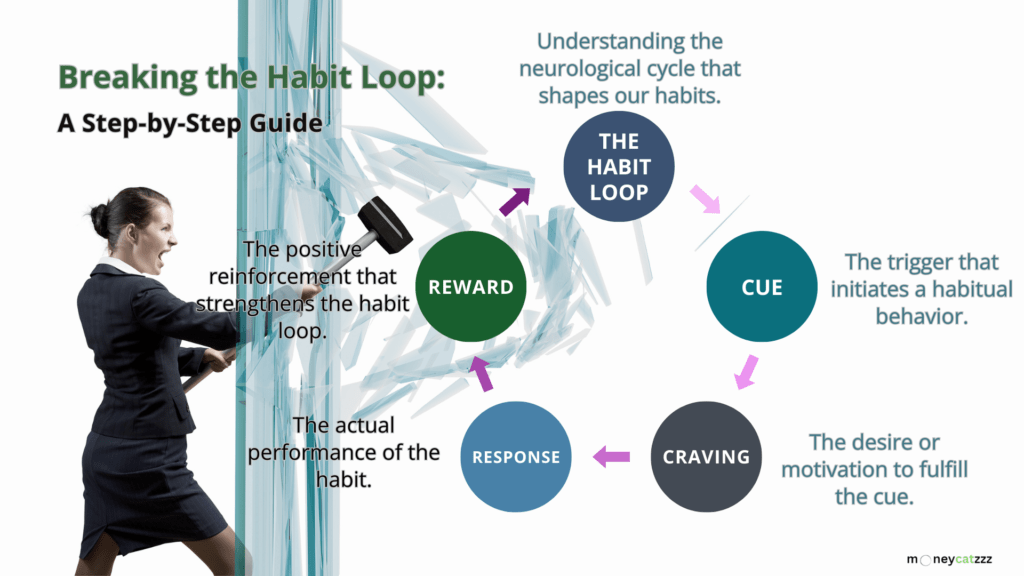
[“Breaking the Habit Loop” – moneycatzzz.com]
The Magic of Tiny Changes – Why Small Wins Lead to Big Results
You can manipulate this habit loop to your advantage. In James Clear’s groundbreaking book, “Atomic Habits,” he emphasizes the transformative power of micro-habits—small, easy-to-implement actions that, over time, lead to remarkable transformations.
The Power of Tiny, Consistent Actions
Imagine depositing a small amount of money into a bank account every day. While each deposit seems insignificant, consistent effort allows compound interest to generate a substantial sum over time. The same principle applies to habits.
Tiny, consistent actions, like drinking a glass of water before every meal or reading ten pages every night, may seem insignificant initially. However, the cumulative effect of these micro-habits can lead to massive improvements in your health, knowledge, and overall well-being.
Atomic Habits: The Three Layers of Habit Change – Find Your Why
In his best-selling book, “Atomic Habits,” James Clear introduces a powerful framework for sustainable habit change. He outlines three core layers that shape our ability to build lasting habits:
- Outcome Level: This is the desired result you want to achieve, such as losing weight or improving your public speaking skills.
- Process Level: This is the actual behavior you need to perform consistently to achieve the outcome. For example, the process level for losing weight could be eating fruits and vegetables with every meal or exercising for 30 minutes three times a week.
- Identity Level: This is about who you become while building the habit. Do you see yourself as a healthy person who prioritizes their physical well-being? Do you consider yourself a confident communicator who thrives in public speaking situations?
Focusing on the identity level is crucial for sustainable change. When you identify with your desired future self (e.g., a healthy person), your actions (the process level) become a natural extension of who you are.
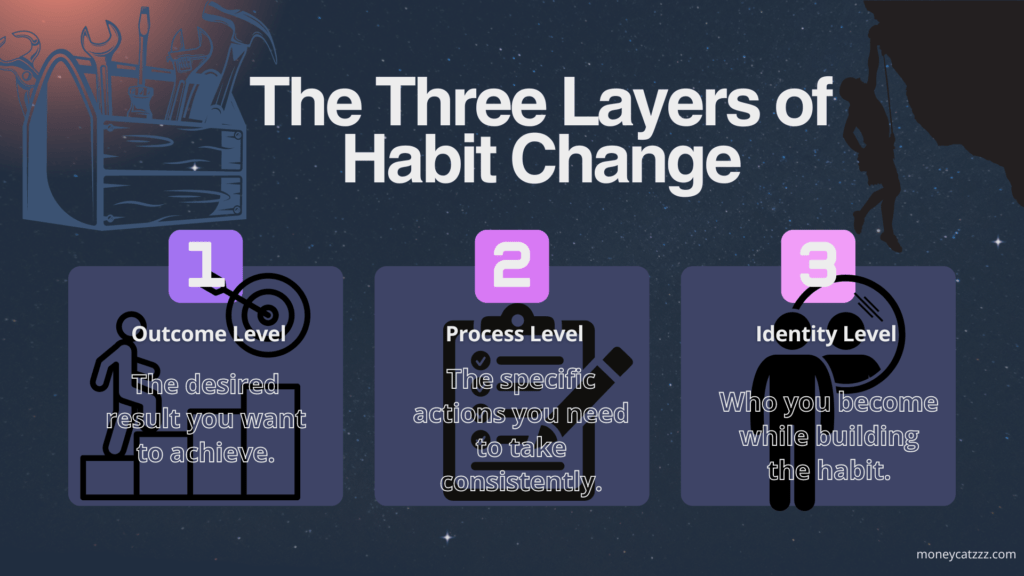
[“The Three Layers of Habit Change” – moneycatzzz.com]
Building Your Habit Stack for Success
The Power of Habit Stacking
Imagine dominoes lined up in a row. When you push the first one, it creates a chain reaction, toppling all the others. Similarly, you can make a chain reaction of positive behaviors by “habit stacking.” This involves linking a new habit to an existing one. For example, after you brush your teeth in the morning, you could immediately perform 10 squats. By attaching the new habit (squats) to a well-established routine (brushing your teeth), you leverage the existing loop and make it easier to adopt the new behavior.
Making Habits Stick with Frictionless Steps
Building new habits can be challenging, but James Clear’s “Atomic Habits” and BJ Fogg’s “Tiny Habits” reveal strategies to make them effortless and lasting.
Simple Steps to Strengthen Your Micro-Habits
To ensure your micro-habits become second nature, follow these frictionless strategies:
- Make it Tiny: Start incredibly small, with habits so easy they feel effortless. This increases the likelihood of success and builds momentum.
- Make it Attractive: Pair your micro-habit with something you already enjoy. For instance, listen to an audiobook while exercising to make it more engaging.
- Make it Immediate: Reduce the friction between deciding to do the habit and doing it. Prepare your workout clothes the night before so you can slip into them easily.
- The 2-Minute Rule: James Clear also suggests the “2-minute rule.” This strategy states that for tasks taking less than two minutes to complete, it’s best to do them immediately rather than postponing them. This can be particularly helpful for overcoming procrastination and starting new habits. For example, instead of dreading a 30-minute workout, you could tell yourself you’ll wear your workout clothes and do some jumping jacks for 2 minutes. Those 2 minutes can become a more extended, productive workout session.
Conquering Context & Shaping Your Environment for Success
Atomic Habits highlights that your environment is crucial in habit formation. Your surroundings serve as powerful cues, influencing both positive and negative behaviors.
- The Power of Place: Imagine a cluttered workspace overflowing with distractions. This environment might cue behaviors like procrastination or mindlessly checking social media. On the other hand, a clean, organized workspace with minimal distractions might cue focused work sessions. You can create cues that support your desired habits by consciously designing your environment.
- Habit Stacking in Context: We often bundle habits together, performing them sequentially. For example, you might have a morning routine involving making coffee, checking emails, and reading the news. The context of your morning routine (making coffee) becomes the cue for checking emails. Understanding these contextual cues allows you to stack new habits strategically. After making coffee, you could add a new micro-habit of meditating for 5 minutes before checking emails.
Outsmarting Your Bad Habits with Tiny Wins
The book emphasizes that small, strategic actions can help break unwanted habits as they build positive ones. Micro-habits provide a sustainable approach to overcoming negative behaviors without overwhelming effort.
How to Break Bad Habits Using Tiny Wins
- Identify the Trigger: The first step is understanding the cues that trigger your bad habit. Is it stress? Boredom? Certain environments? Once you identify the trigger, you can develop a micro-response to interrupt the habit loop.
- Replace with a Tiny Habit: Instead of simply resisting the bad habit, replace it with a small, positive action. This micro-habit should be incompatible with the bad habit and ideally address the underlying trigger.
- Example: Let’s say you tend to snack when stressed mindlessly. Your trigger might be feeling overwhelmed at work. Instead of reaching for unhealthy snacks, your micro-response could be taking five deep breaths or going for a short walk to clear your head. These tiny actions interrupt the craving and provide a healthier outlet for managing stress.

“It is easier to build strong habits than to break bad ones.” – John Dryden
Breaking Bad Habits with Smart Strategies
The book teaches that small, intentional actions can break negative patterns as effectively as they build positive ones. Here are some proven techniques to help you overcome bad habits:
Proven Strategies to Break Bad Habits
- Habit Reversal: This technique involves replacing the bad habit with a physically incompatible response. For instance, if you bite your nails, clench your fists instead whenever you feel the urge.
- Reduce Exposure: If specific environments trigger unhealthy habits, try to minimize your exposure to them. For example, if mindless snacking is a concern while watching TV, remove snacks from the living room.
- Positive Reinforcement: Reward yourself for resisting the lousy habit and sticking with your micro-habits. This reinforces the positive behavior and motivates you to continue.
By incorporating these strategies, you can leverage the power of micro-habits to gradually weaken the hold of bad habits and replace them with healthier, more sustainable behaviors.
Atomic Habits: The Habit Contract for Lasting Change
James Clear emphasizes that accountability is crucial in habit formation. One of the most effective strategies is using a Habit Contract, which strengthens your commitment to building good habits and breaking bad ones.
How the Habit Contract Works
- Define Your Goals: Clearly outline the habit you want to cultivate or eliminate. Be specific about the behavior and desired outcome.
- Set SMART Goals: Ensure your goals are Specific, Measurable, Achievable, Relevant, and Time-bound. This provides a clear roadmap for tracking your progress.
- Create a Contract: This can be a formal written document or a digital note. Outline the specific habit, the duration of your commitment (e.g., 30 days), and any potential consequences for not following through (optional).
- Share Your Contract: The power lies in accountability. Consider sharing your contract with a friend, family member, or online community (like a habit-tracking forum) or even posting it publicly on social media. This public commitment can significantly increase your motivation to stick with your goals.
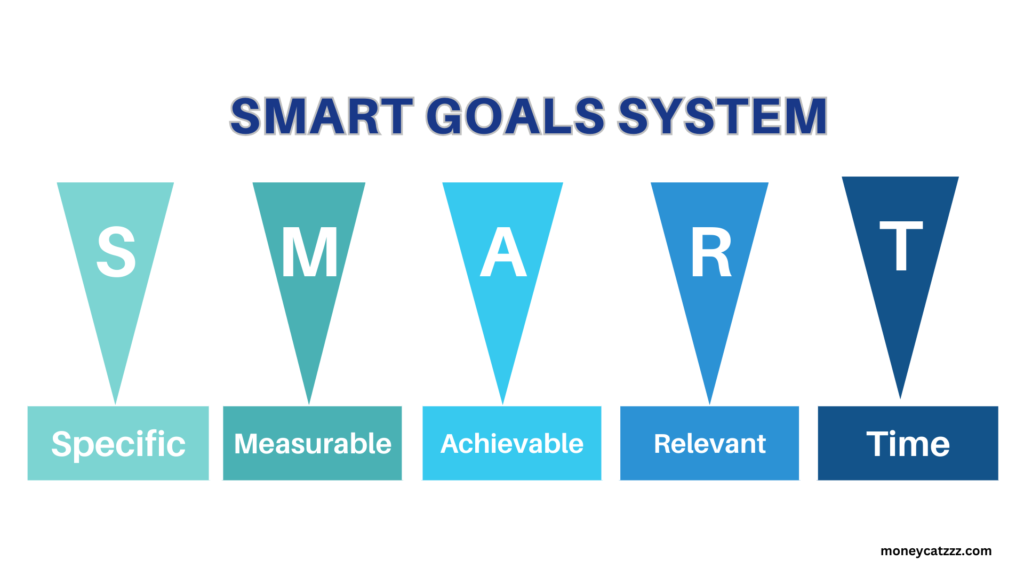
[“SMART GOALS: – moneycatzzz.com]
The Ripple Effect of Tiny Changes: Big Wins Start Small
The beauty of micro-habits lies in their compounding nature. Just like a small pebble tossed into a pond creates ripples that expand outwards, seemingly insignificant actions, consistently performed, can lead to significant transformations across various aspects of your life:
- Improved Health and Well-being: Micro-habits like drinking more water, taking short walks throughout the day, or incorporating five minutes of stretching into your routine can significantly improve your physical health and energy levels.
- Enhanced Productivity: Small changes like clearing your desk before starting work, scheduling focused work sprints, or taking mindful breaks can boost your focus and productivity.
- Personal Growth: Reading a few pages every night, practicing a new language for 10 minutes daily, or meditating for a few minutes can significantly expand your knowledge base, develop new skills, and improve your mental clarity.
- Stronger Relationships: Micro-habits like sending a quick “thank you” note, actively
[“Micro-Habit Roadmap” – moneycatzzz.com]
Putting Atomic Habits into Action: Your Micro-Habit Roadmap
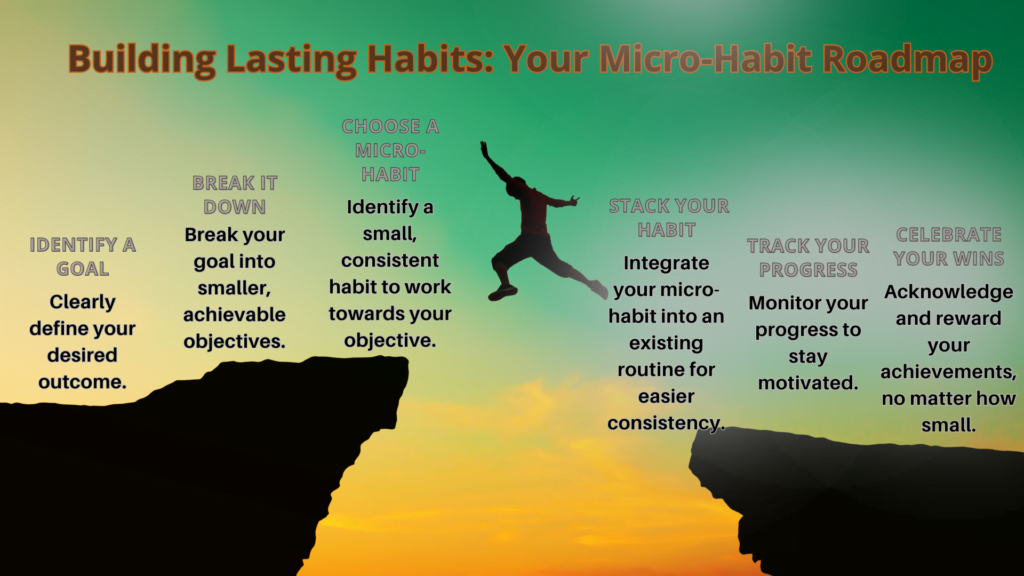
Ready to harness the power of Atomic Habits and embark on a transformative journey? Follow this practical roadmap to build sustainable micro-habits for lasting success.
- Identify a Goal: The first step is to identify a specific area you’d like to improve. You may want to boost your energy levels, enhance your creativity, or develop a new skill. Clearly define your desired outcome.
- Break it Down: Once you have your goal, break it down into a smaller, more achievable objective. For example, if your goal is to improve your overall health, a smaller objective could be healthily losing 5 pounds.
- Choose a Micro-Habit: Now, identify a tiny, actionable step to work towards your objective consistently. This could be drinking a glass of water before each meal, taking a 10-minute walk during your lunch break, or incorporating 5 minutes of bodyweight exercises into your routine.
- Stack Your Habit: Enhance the likelihood of success by stacking your micro-habit onto an existing routine. For instance, you could perform your bodyweight exercises right after brushing your teeth in the morning.
- Track Your Progress: Monitoring your progress is crucial for staying motivated. Use a habit tracker app, a simple journal, or a visual chart to record your daily or weekly micro-habit completions. Witnessing your consistency can be a powerful motivator.
- Celebrate Your Wins, Big and Small: Acknowledge and celebrate your achievements, no matter how small they may seem. Treat yourself to a small reward for reaching milestones or maintaining consistency for a set period. Recognizing your progress reinforces positive behavior and fuels motivation.
“The difference between successful people and others is not a lack of strength, not a lack of knowledge, but rather a lack of will.” – Vince Lombardi

Embrace the Power of Atomic Habits: A Journey, Not a Destination
James Clear emphasizes that building lasting habits is a journey, not a destination. There will be setbacks; some days, sticking to your micro-habits may feel challenging. The key is to be kind to yourself, acknowledge slip-ups, and recommit to your goals.
Consistency is the Game-Changer
The real power of Atomic Habits lies in consistency. Even the most minor actions, when repeated over time, can lead to remarkable transformations.
So, embrace micro-habits’ power, start small, and witness the incredible ripple effect these tiny changes can create in your life!
Join the Micro-Habit Movement: Take the Challenge!
Are you ready to embark on your micro-habit journey? Share your experience in the comments below!
- What area are you focusing on improving?
- What tiny habit have you chosen to implement?
- How are you planning to track your progress?
Let’s support and inspire each other as we take control of our habits and unlock our full potential!
Catch James Clear’s “Atomic Habits” on Audible here.
Disclosure: This post may contain affiliate links. We only recommend products we believe in, and We may receive a commission at no cost to you! Thanks for your support!”
Acknowledgement: Cover Image by Unsplash.com
Signup to our Newsletter for regular updates:
Disclaimer: The information is provided for general information only – moneycatzzz.com makes no representations or warranties in relation to the information, including but not limited to any representation or warranty as to the fitness for any particular purpose of the information to the fullest extent permitted by law. While every effort has been made to ensure that the information provided in this article is accurate, reliable, and complete as of the time of writing, the information provided in this article should not be relied upon to make any financial, investment, real estate or legal decisions. Additionally, the information should not substitute advice from a trained professional who can take into account your personal facts and circumstances, and we accept no liability if you use the information to form decisions.