
 Reading Time: 8 mins #
 This post may contain affiliate links.
In the high-stakes personal and professional development arena, one axiom reigns supreme: “Measure twice, cut once.” Far from being confined to woodshops, this carpenter’s creed has become a rallying cry for precision-seekers in every field. It’s a principle that separates the masters from the novices, the leaders from the followers.
A study by the Project Management Institute found that organizations wasting fewer resources due to poor project performance save 28 times more money. This staggering statistic underscores the power of precision in our increasingly complex world. But how can we harness this power in our daily lives and careers?
“It is better to take many small steps in the right direction than to make a giant leap forward only to stumble.” – Tony Robbins
The Genesis of a Timeless Principle
The phrase “measure twice, cut once” likely originated in the medieval guilds of Europe, where master craftsmen passed down their hard-earned wisdom to apprentices. These words encapsulated years of experience, countless mistakes, and the understanding that in craftsmanship—as in life—every action has consequences.
Today, this principle resonates far beyond the world of carpentry. It’s a call to mindfulness, a reminder that preparation and attention to detail are the cornerstones of success. As James Clear, author of “Atomic Habits,” says, “You do not rise to the level of your goals. You fall to the level of your systems.” Measuring twice before cutting is one foundational habit that can elevate every aspect of our lives.
Precision in Practice: From Boardrooms to Living Rooms
In the corporate world, imprecision costs are often measured in millions. Take the case of NASA’s Mars Climate Orbiter. In 1999, the $125 million spacecraft was lost due to a simple unit conversion error between two teams working on the project. One team used metric units, while the other used imperial units. This costly mistake is a stark reminder of the importance of double-checking even the most basic assumptions.
But precision isn’t just for rocket scientists. In our personal lives, the principle of “measure twice, cut once” can be equally transformative. Whether planning a major life decision, managing personal finances, or even organizing a family event, preparing thoroughly can save countless hours of stress and regret.
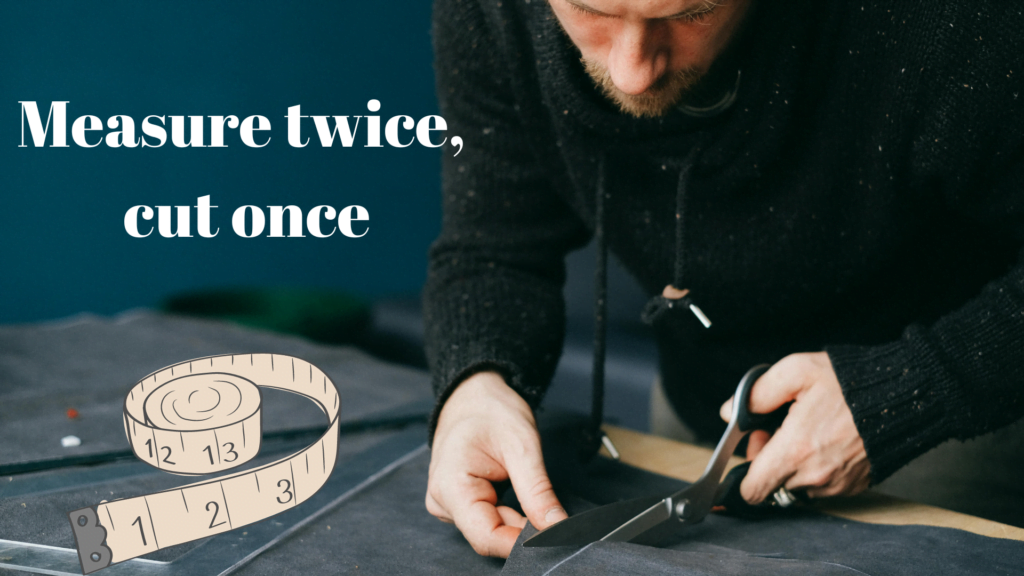
[“Every Action has Consequences” – Photo by Anna Shvets]
Applying the Carpenter’s Creed to Personal Growth
In personal development, the “measure twice, cut once” philosophy takes on new dimensions. It’s not about avoiding mistakes entirely—for mistakes are often our greatest teachers—but about making informed, deliberate choices.
Carol S. Dweck, in her groundbreaking book “Mindset: The New Psychology of Success,” argues that adopting a growth mindset is crucial for personal development. This mindset aligns perfectly with our carpenter’s creed. By measuring twice, we’re not just checking measurements; we’re assessing our approach, considering alternatives, and preparing ourselves for growth.
Consider the story of Jessica, a marketing executive who dreamed of starting her agency. Instead of diving headfirst into entrepreneurship, Jessica spent a year meticulously planning her transition. She analyzed market trends, built a client base while still employed, and honed her unique value proposition. She hit the ground running when she finally “cut“—launching her agency. Within six months, her careful preparation paid off as her agency broke even, a feat that takes many new businesses years to achieve.

Precision in Professional Settings: A Competitive Edge
The temptation to act quickly is ever-present in today’s fast-paced business environment. However, as Stephen Covey reminds us in “The 7 Habits of Highly Effective People,” “The key is not to prioritize what’s on your schedule, but to schedule your priorities.” This wisdom echoes our theme of measured, deliberate action.
A prime example of this principle in action is the story of Pixar’s meticulous approach to storytelling. Before a single frame is animated, Pixar’s team spends years developing and refining their stories. This process, akin to measuring multiple times before cutting, has resulted in a string of critically acclaimed and commercially successful films. Their attention to detail in the planning stages pays dividends in the final product, demonstrating that precision is key in creative fields, too.

[“Precision Matters” – Photo by RDNE Stock project]
The Hidden Costs of Haste: Lessons from History
History is replete with examples where a lack of precision led to disastrous consequences. Beyond the Mars Climate Orbiter incident mentioned earlier, consider the case of the Vasa, a Swedish warship built in the 17th century. In a rush to demonstrate Sweden’s military might, the ship was hastily designed and constructed without proper planning. On its maiden voyage in 1628, the Vasa sank within minutes of leaving port, a stark reminder of the perils of prioritizing speed over precision.
In our personal and professional lives, the costs of haste may not be as dramatic, but they are no less real. Rushed decisions can lead to missed opportunities, strained relationships, and financial losses. As Cal Newport argues in “Deep Work: Rules for Focused Success in a Distracted World,” focusing without distraction on a cognitively demanding task is increasingly rare and valuable in our economy.
Cultivating a “Measure Twice” Mindset
Developing a mindset of precision isn’t about becoming paralyzed by perfectionism. Instead, it’s about cultivating a habit of thoughtful consideration before action. Here are some strategies to foster this mindset:
- Embrace the pause: Before making decisions, big or small, take a moment to reflect. This pause can be the difference between reactive and responsive decisions.
- Seek diverse perspectives: Like a carpenter using different measuring tools, gather insights from various sources before deciding.
- Document your process: Keep a decision journal. You create a valuable resource for future reference and improvement by recording your thought process.
- Practice mindfulness: Regular meditation or mindfulness exercises can enhance your ability to focus and make deliberate choices.
- Learn from each “cut”: Reflect on the outcomes after taking action. This retrospective analysis is like taking a third measurement, informing future decisions.

Tools for Precision: Planning and Execution
We must equip ourselves with the right tools in our quest for precision. Just as a carpenter relies on levels, squares, and calipers, we, too, need instruments to ensure accuracy in our personal and professional lives.
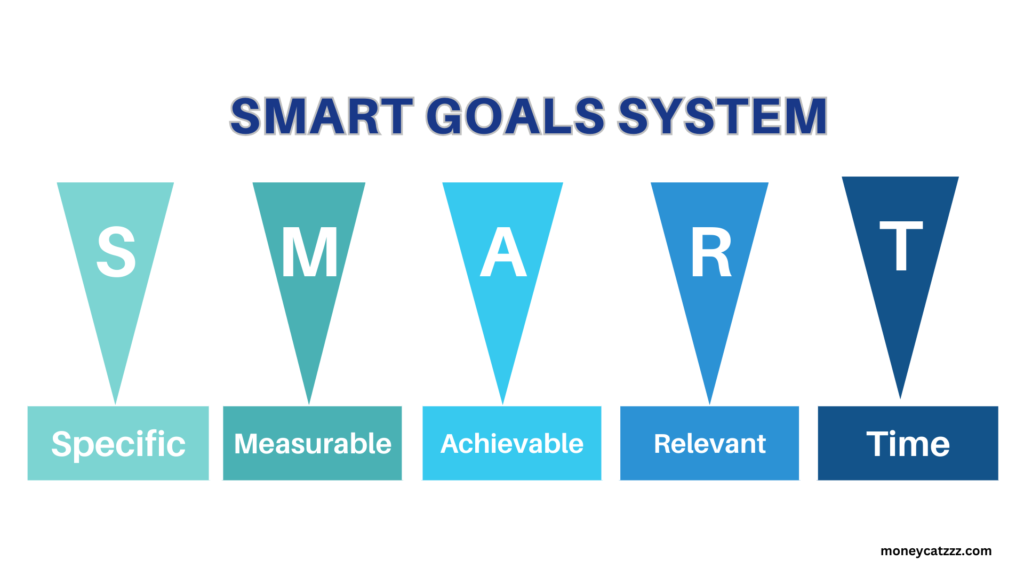
- SMART Goals: Specific, Measurable, Achievable, Relevant, and Time-bound goals provide a framework for precise planning.
- Eisenhower Matrix: This decision-making tool helps prioritize tasks based on importance and urgency, ensuring we focus our precision where it matters most.
- Mind Mapping: Visual brainstorming techniques can help uncover connections and considerations we might otherwise miss.
- Scenario Planning: By envisioning multiple possible outcomes, we can prepare for various contingencies, enhancing our readiness to “cut” when the time comes.
- Project Management Software: Tools like Trello, Asana, or ClickUp can help manage complex tasks with precision.
As James Clear notes in “Atomic Habits,” “You do not rise to the level of your goals. You fall to the level of your systems.” These tools form the backbone of a system designed for precision and success.
Overcoming Perfectionism: When to Make the Cut
While the “measure twice, cut once” principle advocates for careful planning, it’s crucial to recognize when it’s time to act. Perfectionism, often masquerading as precision, can lead to paralysis by analysis.
Consider the case of Tom, a talented software developer who spent months refining his app idea. His attention to detail was commendable, but his reluctance to launch kept his innovation from reaching the market. It wasn’t until a mentor advised him to “ship early, ship often” that Tom realized he had been hiding behind the guise of precision to avoid the vulnerability of releasing his work.
The lesson? Precision doesn’t mean perfection. It means making informed decisions and adapting based on real-world feedback. As Reid Hoffman, co-founder of LinkedIn, famously said, “If you are not embarrassed by the first version of your product, you’ve launched too late.“
Case Study: Amazon’s Culture of Precision
Amazon’s success is a testament to the power of precision in business. Jeff Bezos, inspired by Jim Collins’ concept of “The Flywheel Effect” from the book “Good to Great,” applied this principle to create a virtuous growth cycle.
Amazon’s flywheel starts with lower prices, which leads to more customer visits. This increased traffic attracts more third-party sellers, which in turn increases selection. Greater selection enhances customer experience, leading to more traffic, and the cycle continues.
This precise understanding of their business model allows Amazon to make decisions that might seem counterintuitive in the short term but drive long-term growth. For instance, their willingness to operate with razor-thin margins in retail is a deliberate strategy to fuel the flywheel.
Amazon’s approach exemplifies how precision in understanding and executing a business model can lead to extraordinary success. It’s about measuring twice and continuously refining and optimizing based on data and customer feedback.
The Ripple Effect of Precision
The impact of adopting a “measure twice, cut once” mindset extends far beyond individual tasks or projects. It creates a ripple effect that can transform entire organizations and personal lives.
In organizations, a culture of precision fosters:
- Improved quality control
- Enhanced customer satisfaction
- Reduced waste and increased efficiency
- Better risk management
- Increased employee confidence and job satisfaction
In personal life, this mindset cultivates:
- More fulfilling relationships through thoughtful communication
- Better financial health through careful planning
- Improved work-life balance by making deliberate choices about time and energy allocation
- Enhanced learning and skill development through focused, intentional practice
As Stephen Covey wisely noted, “The key is not to prioritize what’s on your schedule, but to schedule your priorities.” This level of intentionality is at the heart of the “measure twice, cut once” philosophy.
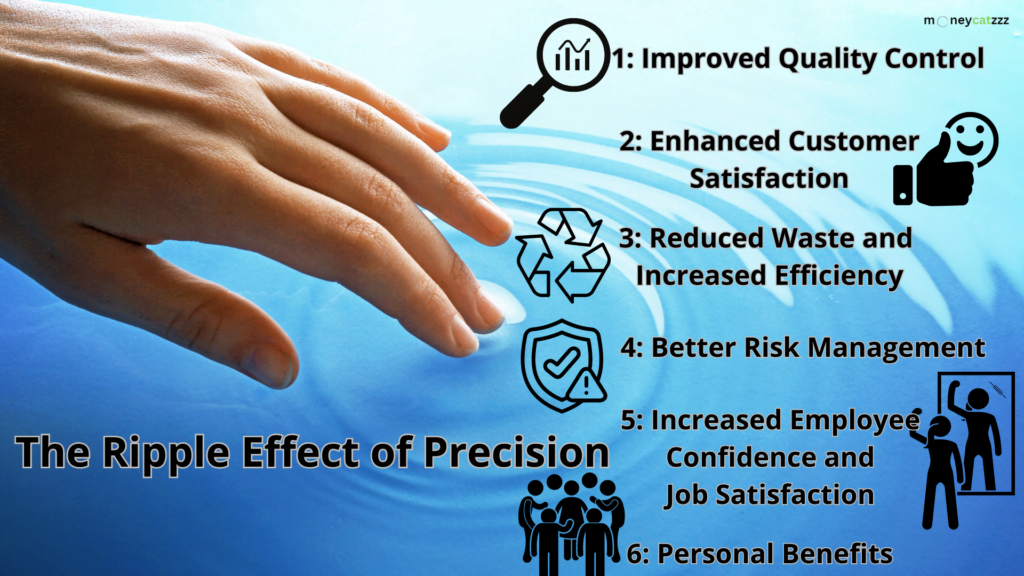
[“The Ripple Effect of Precision” – moneycatzzz.com]
Embracing the Carpenter’s Creed
In a world that often prioritizes speed over substance, embracing the principle of “measure twice, cut once” can be revolutionary. It’s a commitment to quality, a testament to the value of preparation, and a recognition that our actions have consequences.
As we’ve explored, this principle applies across all facets of life – from personal relationships to professional endeavors, from creative pursuits to strategic business decisions. The stories of Jessica’s successful agency launch and Amazon’s precision-driven growth model illustrate the transformative power of this approach.
Yet, as Tom’s case reminds us, precision must be balanced with action. The goal is not perfection but informed deliberate progress. In the words of Voltaire, “Perfect is the enemy of good.”

As you move forward from this article, consider How you can apply the carpenter’s creed to your life and work. What areas could benefit from more careful measurement before action? Remember, every moment presents an opportunity to pause, assess, and act with precision.
Ultimately, the principle of “measure twice, cut once” is more than just a guideline for carpenters – it’s a philosophy for life. Adopting this mindset can build lives and careers of substance, quality, and lasting impact.
So, the next time you face a decision, big or small, take a moment. Measure twice. And when you’re ready, make your cut confidently, knowing you’ve set yourself up for success.
Disclosure: This post may contain affiliate links. We only recommend products we believe in, and We may receive a commission at no cost to you! Thanks for your support!”
Acknowledgement: Cover Image by Unsplash.com
Signup to our Newsletter for regular updates:
Disclaimer: The information is provided for general information only – moneycatzzz.com makes no representations or warranties in relation to the information, including but not limited to any representation or warranty as to the fitness for any particular purpose of the information to the fullest extent permitted by law. While every effort has been made to ensure that the information provided in this article is accurate, reliable, and complete as of the time of writing, the information provided in this article should not be relied upon to make any financial, investment, real estate or legal decisions. Additionally, the information should not substitute advice from a trained professional who can take into account your personal facts and circumstances, and we accept no liability if you use the information to form decisions.